
CIO Day | Sydney
CIOs at the Edge of Production Reality, Capital Friction, and Fragile Cores
Hyatt Regency Sydney, Australia
Hosted by Factor
- 145 attendees
- 9 hours
Overview
The era of loose innovation budgets and unmetered pilots has slammed directly into board-level margin scrutiny, strict regulatory enforcement, and operational fatigue.
Australian CIOs are being held personally and commercially accountable for the sharp reality of running 24/7 enterprises, defending tech capital to margin-squeezed boards, navigating systemic fourth-party vendor risk, and modernising brittle legacy cores without stalling daily operations.
Meanwhile, the transition from AI experimentation to live transactional scale is exposing harsh cost and integration bottlenecks. Copilot vanity projects are giving way to the unglamorous, high-stakes work of automating frontline workflows where system failure isn't an error code, it hits trading revenue, halts physical supply chains, or lands on the front page.
This event convenes Australia’s leading enterprise CIOs for a peer-level examination of what it actually takes to de-risk the core, cut through vendor noise, and steer resilient enterprise architecture in an operating climate that leaves zero room for error.
What we will cover
- Customer Experience Exploring strategies to elevate customer interactions, personalisation, and engagement, ensuring competitive differentiation and loyalty.
- Operational Productivity Investigating ways to streamline processes and optimise internal operations, reducing inefficiencies and improving overall output.
- Enterprise Agility Focusing on building agility and resilience into business operations to quickly respond to market shifts, disruptions, and emerging opportunities.
- Digital Acceleration Exploring how to accelerate digital transformation efforts to drive growth and adapt to new market demands.
- Cybersecurity Priority Emphasising proactive approaches to cybersecurity, integrating security measures into projects from inception to minimise risk.
- Cloud Sovereignty Discussing the growing need for digital sovereignty, reducing reliance on U.S.-centric cloud platforms, and how Australian CIOs are balancing cost, control, and compliance in a fragmented tech landscape.
- Geopolitics & Supply Chains Addressing how shifting global power dynamics, tariffs, and trade tensions are reshaping the tech supply chain, and how CIOs can mitigate risks while ensuring operational continuity.
- ESG Goals Investigating how CIOs can support organisational sustainability efforts, aligning IT with environmental and social governance (ESG) metrics.
- Threat Containment Exploring how organisations are using microsegmentation to limit lateral movement, reduce breach impact, and strengthen zero trust security.
- Executive Partnerships Exploring the evolving role of CIOs as strategic partners within the executive team, driving cross-functional collaboration and innovation.
- Data Analytics Exploring how data-driven insights can guide strategic decisions and improve business outcomes across departments.
- AI & Productivity Exploring AI's role in optimising business processes, from predictive analytics to automating routine workflows.
Agenda
- Networking Breakfast(CIO Day Sydney - Plenary Session)
- Opening Remarks: The New CIO Mandate(CIO Day Sydney - Plenary Session)
- The Coherent Enterprise: Architecting Business Speed, Board Trust, and Control in 2027(CIO Day Sydney - Plenary Session) Years of rapid platform accumulation, agentic deployment, and shifting regulatory demands have left many Australian organisations operationally fragmented in practice. In this opening keynote, Josh Heid delivers a CEO-level view of the enterprise landscape in 2027, cutting through technology hype to focus on the central challenge facing executive leadership: execution speed. Moving past pilot projects and software sprawl, this session explores how CEOs and CIOs must partner to eliminate organisational drag, establish real-time authority over autonomous agentic workflows, and transform enterprise tech stacks into defensible engines of bottom-line value. Discussion Points: The CEO-CIO Compact: Shifting from Tech Spend to Workflow Economics : CEOs and CIOs must reframe digital strategy around decision velocity, unit-cost reduction, and workflow throughput to deliver the concrete returns boards demand on enterprise investments. Governing Autonomy: Reclaiming Authority in the Agentic Era : As autonomous AI agents handle core enterprise operations, executive leadership must embed identity, compliance, and cyber resilience directly into system architectures to scale automation without exposing the organisation to operational risk. Cutting Through Enterprise Drag: Building the Coherent Enterprise : Market-leading tech leaders are moving beyond surface-level innovation to tackle core data and legacy modernisation, unifying siloed functions to turn fragmented technologies into a friction-free execution engine.
- 2027. A New Wave of Leadership(CIO Day Sydney - Plenary Session) In today's rapidly evolving digital landscape, leading companies are accelerating their digital transformation efforts to maintain competitiveness and meet changing customer expectations. For instance, a mid-tier mining company in Australia invested in AI and machine learning to build digital twins for its milling operations, enhancing efficiency and reducing costs. However, many organisations have captured less value than expected from their digital initiatives, with only 31% of anticipated revenue lift and 25% of expected cost savings realised. Discussion Points: Balancing Speed and Stability in Digital Initiatives Understanding the Costs of Inaction in a Fast-Paced Tech Environment Identifying Common Pitfalls in Transformation Efforts and How to Avoid Them
- Boardroom Pressure, Tech ROI, and Operational Truth(CIO Day Sydney - Plenary Session) From building Wizard Home Loans into a major challenger to chairing Yellow Brick Road, Mark Bouris has spent decades navigating capital allocation, aggressive market disruption, and boardroom accountability. In this candid fireside chat, Bouris sits down for an unvarnished conversation on what business owners and boards actually care about in 2027. Stripping away tech jargon, vendor hype, and speculative AI promises, Bouris explores how tech leaders can earn absolute credibility in the boardroom, defend their capital spend, and turn digital capability into raw, bottom-line execution speed. Discussion Points: What the Board Actually Says When You Leave the Room: How C-suite tech leaders can stop speaking "platform and architecture" and start framing technology through the only lens chairman and boards care about: capital efficiency, margin expansion, and risk mitigation. The Reality of AI and Core Modernisation: Why enterprise leaders must resist shiny-object syndrome, strip away vendor complexity, and focus tech budgets on unglamorous operational bottlenecks that directly drive enterprise growth. The Founder’s Lens on Risk and Speed: Balancing aggressive digital execution with strict regulatory and cyber accountability, ensuring enterprise systems are built to adapt fast without exposing the balance sheet to catastrophic failure.
- Rebuilding the Digital Backbone: Agile, Secure, and AI-Ready(CIO Day Sydney - Plenary Session) As boards demand transformation with zero tolerance for failure, the CIO's focus is shifting from strategy to execution. This session explores how Australia’s enterprise leaders are modernising core infrastructure to thrive in a volatile, AI-driven world—without compromising speed, control, or resilience. Discussion Points: Designing Containable Infrastructure: Executive leaders must architect resilient system boundaries that isolate operational failures, cyber breaches, and network outages before they degrade core business functions. Rethinking the Network as a Control Plane: CIOs must transform legacy network environments into intelligent, real-time control systems that accelerate decision velocity and streamline data flow across enterprise applications. Pragmatic Core Modernisation: Enterprise teams must embed automated observability and smart segmentation to upgrade critical legacy assets incrementally, avoiding the risk and cost of full rip-and-replace overhauls.
- The C-Suite Interlock: Who Carries the Risk When Tech Directly Hits the Margin?(CIO Day Sydney - Plenary Session) As digital architecture embeds directly into core revenue engines, supply chains, and customer ordering channels, technology decisions no longer live in an IT vacuum. When a critical platform transformation slips, an ordering portal experiences friction, or distribution bottlenecks emerge, the operational fallout directly impacts gross margins and market reputation. This session brings enterprise technology leaders together to examine how the CIO, CRO, and CFO establish shared commercial accountability, moving beyond siloed project delivery to align capital allocation, risk ownership, and frontline operational performance. Discussion Points: Shared Commercial Accountability at the Executive Table Capital Discipline in Heavy Operations The Friction Between Enterprise Simplification and Operational Nuance
- The Heavy Metal Dilemma: Bridging the Divide Between Digital Speed and Legacy Physical Assets(CIO Day Sydney - Plenary Session) Modern enterprise strategy demands the rapid execution of software release cycles, yet Australian organisations managing physical infrastructure, heavy utility networks, and critical supply chains face an unforgiving physical reality. This session explores how enterprise leadership can bridge the sharp cultural and operational divide between high-velocity digital delivery and mission-critical hardware assets. Moving beyond tech-centric agile playbooks, this is a practical blueprint for balancing rapid digital innovation with the uncompromising safety, compliance, and capital constraints of complex physical operations. Discussion Points: Synchronising Dual Velocities: Executive leaders must build hybrid operational models that allow software teams to iterate rapidly without disrupting long-term physical maintenance, regulatory compliance, and capital expenditure schedules. Unifying Digital and Field Operations: Bridging the deep cultural divide between fast-paced digital teams and mission-critical field engineers requires shared accountability, joint risk frameworks, and unified operational metrics. Safeguarding Critical Infrastructure: CIOs and operational leaders must embed native cyber resilience and strict safety controls into digital integrations, ensuring automated software pushes never compromise physical asset integrity or core regulatory mandates.
- Morning Tea & Networking(CIO Day Sydney - Plenary Session)
- Peer-Driven Debates(CIO Day Sydney - Plenary Session) A: AI Margin Accountability vs. Experimental Budgets How do you defend your AI budget to a CFO demanding proof of margin expansion rather than productivity metrics? At what point do recurring token and integration costs outweigh the efficiency gains of automated workflows? Is the primary barrier to AI ROI technical execution or the inability of the business to redesign operational processes? B: The Core Rewrite Ultimatum: Capital Black Holes vs. Brittle Legacy Debt At what point does continuous patching of a fragile core become a career-limiting risk for the executive team? How do you structure a modernisation roadmap that delivers incremental value without demanding a multi-million-dollar capital blank check? Is it possible to bridge legacy core systems with modern agentic AI layers without breaking system stability? C: Regulatory Accountability vs. Fourth-Party Dependency How do you realistically prove operational resilience to regulators when your critical workflows depend on outsourced infrastructure you cannot directly control? Does strict regulatory compliance stifle rapid innovation, or does it force necessary discipline into fragile supply chains? Where is the legal and operational line where executive accountability outpaces vendor liability during a major outage? D: Autonomous Agentic Workflows vs. Human-in-the-Loop Drag If market competitors are operating at machine speed, does human-in-the-loop governance become an existential operational risk? Where do you draw the hard boundary between automated decision-making and mandatory human sign-off in regulated environments? Who ultimately owns the liability when an autonomous agent executes a flawed transaction that impacts trading revenue? E: Cloud Repatriation vs. Hyperscale Dependency At what point does cloud-first architecture transition from an agility enabler to a margin-draining hyper scale trap? Do local sovereign cloud providers offer a viable alternative, or do they lack the R&D velocity required for modern enterprise tech? How do you build a credible cloud-exit or multi-cloud portability strategy without doubling your infrastructure overhead? F: Preserving Institutional Knowledge vs. Automated Engineering How do you maintain system stability when the institutional memory of your legacy tech stack is walking out the door? Can automated documentation and AI code-generation tools truly replace deep human architectural understanding during a crisis? How must enterprise talent acquisition and training evolve when the skills required to run legacy systems no longer exist in the market? G: Zero-Trust Rigor vs. Enterprise Friction How do CISOs balance uncompromising security architectures against the business demand for frictionless user and customer experiences? At what point does security compliance become so cumbersome that employees bypass controls entirely, creating shadow IT risks? How do you measure the true ROI of a zero-trust investment when success looks like nothing happening? H: Strategic Balance Sheet Metrics vs. Technical Dashboards How do you stop briefing the board with security heat-maps and start framing cyber risk as a direct threat to enterprise market valuation? What specific financial metrics should CIOs present to prove that technology capital expenditure protects future revenue streams? Why do non-executive directors continue to view IT as a cost centre rather than a core driver of enterprise resilience?
- Modern CIO - How to be Successful in a Rapidly Changing Environment(CIO Day Sydney - Plenary Session) The role of the CIO has never been more complex or more critical. In a rapidly changing environment shaped by accelerating technology, evolving customer expectations, and constant disruption, success demands more than technical expertise. It requires a new leadership mindset. This session explores what it means to be a Modern CIO, anchored in five defining capabilities: curiosity to continually learn and adapt; collaboration to lead across business, product and technology boundaries; context to balance delivery, resilience and risk in decision-making; courage to challenge legacy thinking and lead through uncertainty; and customer centricity to ensure technology investment delivers tangible value. Together, these Five C’s form a practical framework for CIOs navigating complexity while driving sustainable, long-term outcome.
- The Data Centre Revival: Power, Compute, and Infrastructure Strategy(CIO Day Sydney - Plenary Session) For years, the industry narrative dictated a wholesale migration to the public cloud, but the explosion of high-density AI workloads, surging power constraints, and strict data sovereignty mandates have forced a major strategic pivot. Data centres are no longer back-office utilities; they are mission-critical strategic assets sitting squarely at the top of the C-suite agenda. This session explores how Australia’s leading technology executives are rethinking infrastructure architecture, balancing cloud economics with on-premise or colocation compute, and navigating the complex realities of power, cooling, and capacity in a demanding digital economy. Discussion Points: Navigating AI Compute Demands: Enterprise leaders must architect scalable, high-density infrastructure environments capable of supporting intensive artificial intelligence workloads without breaking capital budgets. Solving Power and Cooling Constraints: CIOs need to factor escalating energy consumption and thermal limitations into their long-term site selection and operational capacity planning. Optimising Hybrid Cloud Economics: Organisations must build balanced deployment models that weigh public cloud flexibility against the long-term cost efficiencies and security benefits of modern data centres.
- The Boardroom Boundary: Translating Cyber and Operational Risk Out of Technical Jargon(CIO Day Sydney - Plenary Session) Non-executive directors and board members face mounting personal, regulatory, and systemic accountability for cyber breaches and operational failures, yet technical leadership often presents risk using confusing security metrics or fear-mongering scenarios. This fireside chat explores how C-suite technology and security executives can bridge the gap between technical risk management and board-level strategy. Discover practical methods to translate complex threat landscapes, operational resilience obligations, and third-party dependencies into transparent, business-first discussions that earn genuine trust without relying on alarmist narratives or compliance spreadsheets. Discussion Points: Decoding Technical Risk for Non-Executive Directors: Enterprise leaders must replace complex security metrics and dense compliance logs with clear business-impact modelling, framing risk around operational continuity, customer impact, and revenue protection. Earning Trust Without Fear-Mongering: Technical executives can move away from worst-case scenario leverage and focus on transparent, proactive reporting that highlights control maturity, residual risk, and ongoing remediation efforts. Aligning Regulatory Compliance with Strategic Goals: C-suite teams must frame mandatory operational and cyber resilience frameworks as core business enablers rather than tick-box governance burdens, demonstrating clear line-of-sight between risk controls and long-term enterprise value.
- Culture Over Code: Why Operating Models Dictate Modernisation Success(CIO Day Sydney - Plenary Session) Many enterprise modernisation initiatives stall not because of inferior technology, but because legacy project-based organisational structures clash with modern software delivery. This session explores how Australia’s leading technology executives are dismantling traditional IT silos to build durable value streams and cross-functional platform teams.Discover how to transition from temporary project delivery to continuous product ownership, aligning culture and operating models to accelerate velocity without burning out engineering talent. Discussion Points: Moving from Projects to Value Streams: Enterprise leaders must shift focus away from temporary IT projects and reorganise teams around continuous, customer-centric value delivery streams. Scaling Through Dedicated Platform Teams: Organisations need to establish internal platform capabilities that remove developer friction, reduce cognitive load, and standardise tooling across business units. Protecting Velocity During Cultural Transformation: Executive teams must navigate the human side of restructuring, aligning incentives and leadership behaviours to maintain momentum while modernising legacy ways of working.
- Transform Faster, Deliver Smarter and Realise Value Sooner with AI-Accelerated Delivery in Financial Services(Executive Round Table) In financial services, where resilience, compliance, and customer trust are paramount, technology leaders are under growing pressure to modernise systems and accelerate digital delivery—without increasing risk. This roundtable will explore how AI-accelerated delivery is enabling BFSI organisations to enhance operational efficiency, automate safely, and make smarter decisions—while maintaining human oversight and robust governance. We’ll examine real-world strategies for embedding AI in software and data delivery workflows—from intelligent automation and human-in-the-loop models to AI literacy and responsible adoption frameworks. Attendees will gain peer insights on building scalable, compliant delivery architectures, fostering AI-ready cultures, and unlocking measurable value—sooner. Key Discussion Points: Targeting the Right AI Use Cases for BFSI Delivery: Where AI adds the most value in code generation, testing, data processing, fraud detection, and compliance workflows, without losing human control. Governance, Risk, and Responsible AI Adoption: How to implement transparent, auditable, and secure AI practices, aligned with regulatory expectations and organisational risk appetite. Upskilling for AI: Building Literacy and Trust: Closing the knowledge gap across tech and business teams to ensure AI tools are understood, trusted, and used responsibly. Demonstrating ROI in a Risk-Conscious Environment : Balancing innovation and caution, measuring value in speed, cost, compliance, and customer impact, and making the case to regulators and the board.
- Powering AI Workloads Anywhere: Building Resilient, Scalable Infrastructure(Executive Round Table) Despite Australia’s reputation as a leader in technology adoption, AI readiness remains low, with only 4% of organisations fully prepared to leverage its potential. In this roundtable with David Siroky, AI Chief Technology Officer for Cisco Asia Pacific, Japan, and China , we’ll explore the critical infrastructure and operational strategies CIOs need to close this gap. This roundtable provides a focused discussion on how to build infrastructure capable of running AI workloads anywhere—whether on-premises, at the edge, or in the cloud. Join us and your peers as Craig Baty, VP Research & Advisory, Factor, moderates this highly interactive roundtable to exchange insights on achieving end-to-end observability, securing operations from ground to cloud, and creating scalable, resilient systems that meet the demands of today and tomorrow. What You'll Gain: Strategies for creating secure, AI-ready environments that enable experimentation and scale Guidance on aligning AI capabilities with business strategy, ethics, and operations Peer-driven perspectives on overcoming the barriers to AI readiness
- Lunch Break & Peer Connect(Lunch and Peer Connect)
- CIO Exchange(CIO Day Sydney - Plenary Session) An interactive session where tech leaders connect with peers to share candid stories about decisions they’ve made, what worked, and what they learned along the way. Expect honest reflections, practical insights, and engaging peer-to-peer conversations in an open, informal format.
- The Transformation Portfolio Is Full — What Are You Willing to Stop?(CIO Day Sydney - Plenary Session) As technology estates become increasingly complex, CIOs are being forced to make harder choices about what to continue, consolidate or retire. Drawing on large-scale banking migrations and platform consolidation, this session explores what it takes to move beyond transformation for transformation’s sake, knowing what to shut down, where to simplify and how to create capacity for what comes next. Discussion Points: Knowing What to Retire: Moving beyond modernisation to actively retiring end-of-life platforms, duplicated capabilities and legacy technology that no longer delivers sufficient value. The Reality of Large-Scale Consolidation: Lessons from shutting down and migrating full banking technology stacks, including the complexity of moving customers, data and services while maintaining business continuity and customer experience. Creating Capacity for What Comes Next: Using consolidation and cost-out to simplify the technology estate, improve cost-to-income and redirect investment and capability towards new opportunities such as AI and digital services.
- Breaking the Monolith Without Breaking the Business(CIO Day Sydney - Plenary Session) Legacy systems are often too deeply embedded to simply replace, yet increasingly difficult to evolve. As a technology executive leading complex transformation in a global airline environment, Christopher Locke, CTO, Flight Centre Group, is tackling the challenge of modernising a mission-critical technology estate without disrupting the business it supports. This session explores how technology executives can progressively break apart monolithic cores, move towards composable platforms and modernise critical technology while keeping the business running. Discussion Points: Breaking Apart the Core: Identifying when a long-standing system is holding the business back, and deciding how to modernise it without replacing everything at once. Modernising While the Business Runs: Updating a critical system while customers, transactions and day-to-day operations continue as normal. Managing the Seams: Navigating the dependencies, integrations and data flows created when legacy and modern architectures have to coexist, and deciding what to separate first.
- Killing the AI Vanity Projects: Turning Automation Into Operational Advantage(CIO Day Sydney - Plenary Session) As organisations move beyond AI experimentation, the real challenge is identifying where automation can deliver tangible business value at scale. Drawing on his experience across digital transformation and his current role as Group CTO at Domino's, John BouAntoun will explore how technology leaders can move beyond proof-of-concepts and isolated AI initiatives to embed intelligent automation into high-volume workflows, improve operational efficiency and deliver measurable commercial outcomes. Discussion Points: Moving Beyond AI Experimentation: Identifying which AI initiatives have genuine business value and moving beyond disconnected pilots to solutions that can be deployed and scaled across the enterprise. Automating the Work That Matters: Exploring how AI and intelligent automation can streamline high-volume workflows, reduce operational friction and improve efficiency across customer-facing and back-end operations. Measuring the Commercial Impact of AI: Establishing how technology leaders evaluate AI investment through tangible outcomes such as productivity gains, cost reduction, customer experience improvements and operational performance.
- Innovative Use Cases in Driving Operational Efficiency and Cost Optimisation(CIO Day Sydney - Plenary Session) As enterprises face ongoing cost pressures, technology leaders are being asked to do more with less while still enabling innovation. Tanya Trott, CTO at Transurban, will share practical strategies and innovative use cases that show how technology services can unlock efficiency, optimise costs, and deliver sustained business value without compromising on service quality or future growth. Discussion Points: Balancing Cost Optimisation with Innovation: Where to streamline, and where to double down on investment. Innovative Use Cases in Technology Services: How automation, AI, and cloud services are reshaping efficiency strategies. Embedding Efficiency into Culture and Operations: Sustaining long-term optimisation across people, processes, and technology.
- How Much Downtime Can the Business Really Afford?(CIO Day Sydney - Plenary Session) As enterprise technology leaders are forced to modernise brittle legacy cores and chase digital velocity, the true cost of downtime is climbing rapidly. Sonic Healthcare's Global Chief Digital, Data and Information Officer, Matthias Hansen, cuts through corporate tech theatre to examine the real economics of resilience. Drawing on his leadership across high-velocity retail, smart security, and mission-critical diagnostics, Matthias shares a pragmatic playbook for defining true risk tolerance, balancing cloud ambition with zero-tolerance physical infrastructure, and building architectures where failure is an operational crisis. Discussion Points: Defining the Real Tolerance Threshold: How to calculate what downtime the business can afford versus what it pretends it can tolerate and aligning executive risk appetite with technical reality. The Speed-Stability Trap: The hidden dangers of forcing fast-paced, cloud-first transformation playbooks into heavy, mission-critical environments where system stability is non-negotiable and downtime halts physical workflows. Architecting for Inevitable Friction: Building resilient enterprise systems across federated, multi-brand global structures where a minor glitch in one localised layer can cascade into an enterprise-wide operational halt.
- What Will Be the CIO Problem We Aren't Talking About Yet?(CIO Day Sydney - Plenary Session) While boardrooms remain fixated on near-term AI deployments, cloud migrations, and regulatory deadlines, deeper systemic risks are quietly accumulating across enterprise environments. From silent data decay and compounding automation dependencies to geopolitical supply shocks and uninsurable cyber exposures, technology leaders are increasingly vulnerable to issues that standard enterprise risk matrices fail to capture. This panel explores a forward-looking peer exchange on the emerging blind spots, structural fragilities, and second-order challenges that will redefine the technology executive remit over the next three to five years. Discussion Points What Are We Becoming Dependent On Without Realising It? As AI, automation and interconnected platforms become embedded in operations, where are new dependencies emerging that traditional resilience plans aren't designed to see? Are We Solving the Right Problems? As technology opportunities multiply, how are CIOs deciding which problems genuinely warrant investment and when the answer should be AI, automation, modernisation or simply doing less? What Risks Are Quietly Getting Worse? Beyond the risks already on the board agenda, where are technology, data, skills and operational liabilities accumulating before they become problems the business can no longer ignore?
- Closing Remarks: Translating Today's Realities Into Tomorrow’s Execution(CIO Day Sydney - Plenary Session) As we synthesise today's unvarnished discussions on capital friction, fragile legacy cores, and operational reality, the message to enterprise leaders is clear: the era of unmetered experimentation has officially ended. This closing brief distills the day's critical takeaways into an immediate, board-level playbook for the quarter ahead.
- Networking Drinks | End of Day(CIO Day Sydney - Plenary Session)
Speakers
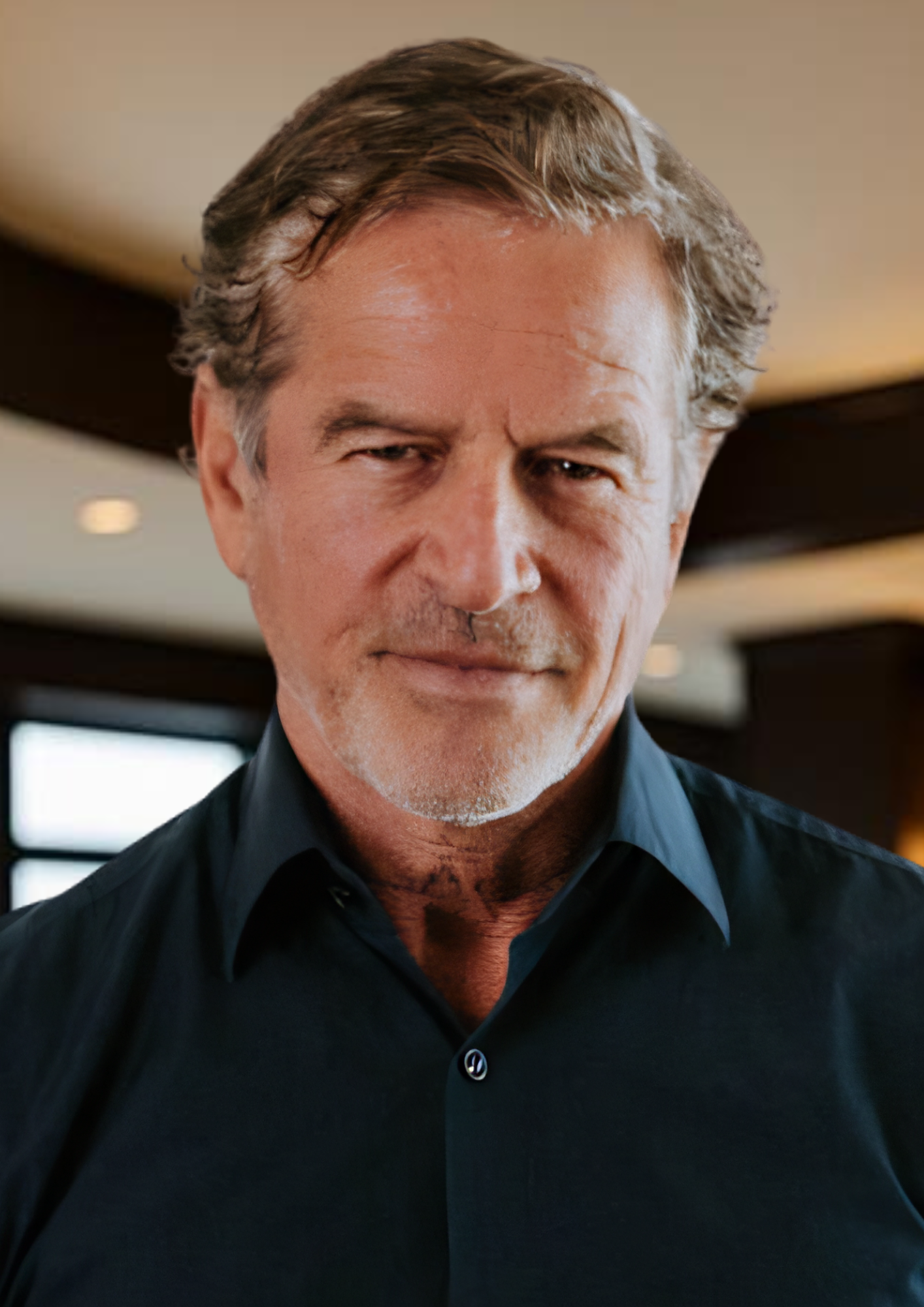 Mark Bouris · Founder & Chairman, Yellow Brick Road Mark Bouris AM is one of Australia’s leading entrepreneurs, business leaders and commentators, best known for founding Wizard Home Loans and Yellow Brick Road, a financial services group focused on helping Australians achieve their financial goals. With decades of experience across finance, business and entrepreneurship, Mark has built a reputation for challenging conventional thinking, identifying commercial opportunities and navigating complex business environments. Beyond his entrepreneurial achievements, Mark is a prominent media personality, author and mentor, recognised for his candid perspectives on leadership, business growth and economic change. Through his work with business leaders, entrepreneurs and emerging talent, he brings practical insights into decision-making, innovation and the realities of building successful organisations in an increasingly competitive landscape.
 Miranda Ratajski · CIO Group Business Units, Westpac Miranda Ratajski is Chief Information Officer for Group Business Units at Westpac, bringing more than 25 years of international experience across financial services, telecommunications and government. Having held senior technology and leadership roles across Australia, Europe and Asia, including at ANZ, Miranda has developed extensive expertise in technology strategy, enterprise transformation and aligning technology delivery with broader business objectives. Recognised as Australia's 2026 CIO of the Year, Miranda is known for her leadership in driving technology innovation, strengthening organisational capabilities and delivering meaningful customer and business outcomes. Her experience navigating complex enterprise environments provides valuable insight into the evolving role of technology leadership, balancing transformation with operational priorities, and building high-performing teams equipped to respond to changing business demands.
Rachael Phelan · Chief Operating Officer NAB Business and Private, NAB Rachael Phelan is a senior financial services executive with more than 20 years of experience across risk management, business operations, strategy and enterprise transformation. During her career at National Australia Bank (NAB), she held several senior leadership positions, including Chief Operating Officer for the Business and Private Bank and Chief Risk Officer for the Personal Bank and uBank. Her experience spans complex banking environments, where she has worked across operational performance, customer outcomes, regulatory obligations and large-scale organisational change. Rachael brings a cross-functional perspective on navigating transformation while balancing commercial objectives, operational resilience and risk management. Her leadership experience includes improving business performance, strengthening governance and exploring how emerging technologies, including AI, can support better decision-making and customer outcomes. She offers valuable insight into aligning business and risk priorities, embedding effective controls into transformation programs and ensuring innovation delivers sustainable value in highly regulated environments.
 Matthias Hansen · Global Chief Digital, Data and Information Officer, Sonic Healthcare Matthias Hansen is the Global Chief Digital, Data and Information Officer at Sonic Healthcare, bringing more than 30 years of international experience in technology and digital leadership across healthcare, retail, telecommunications and financial services. Prior to joining Sonic Healthcare, Matthias held senior leadership positions at Domino’s Pizza Enterprises, Telstra, Centrica, T-Mobile and Dell, building extensive expertise in enterprise technology strategy, digital transformation and leading technology functions across complex, multi-market organisations. Throughout his career, Matthias has focused on leveraging technology to improve operational performance, enhance customer experiences and deliver measurable business value. His experience spans large-scale technology transformation, digital platforms, data strategy and organisational change, providing a practical perspective on modernising complex technology environments while balancing innovation, operational resilience and commercial priorities. At Sonic Healthcare, he brings this experience to a global healthcare organisation where technology, data and digital capabilities play an increasingly important role in supporting business performance and healthcare services.
 Tanya Trott · Chief Technology Officer, Transurban A versatile and widely experienced senior Technology professional with a history of planning and implementing technology initiatives to generate improved productivity and deliver capability uplifts and strategic value. I enjoy interacting with people and re-focusing teams to deliver excellent service and successful programs of work. Specialties: Specialised skills in technology roadmaps and adoption, technology selection and business case development, contract negotiation and cost reduction identification and execution, and service and operational management and general business management skills. The ability to translate technical drivers to business initiatives and vice-versa.
Peter Meliniotis · Group Chief Information Officer, The Star Entertainment Group Peter Meliniotis is Group Chief Information Officer at The Star Entertainment Group, bringing extensive experience in technology strategy, enterprise architecture and large-scale digital transformation. With a background spanning software engineering, information management and technology advisory, Peter has worked across complex enterprise environments, helping organisations navigate technology modernisation, strengthen governance and align technology capabilities with broader business objectives. In his role at The Star, Peter leads technology strategy and transformation across a complex, highly regulated hospitality and entertainment business. His expertise centres on balancing innovation and delivery speed with system stability, operational resilience and effective risk management. Peter brings a practical perspective on modernising legacy environments, managing technical debt and competing investment priorities, and ensuring technology transformation delivers sustainable business value without compromising the reliability of critical systems.
 Samel Silva · CIO, Wholesale and Supply Chain, Metcash Senior Technology, Strategy and Operations leader with over 20 years of experience delivering business and digital transformation, operational excellence, and sustainable growth. Known for her people‑centric leadership, building strong customer partnerships, and leading complex, cross‑sector programs across Retail, Construction, Natural Resources, Energy, Manufacturing, Telecommunications, and major global industries. Her career is defined by unlocking improvement opportunities, shaping technology‑enabled supply chain solutions, and driving data‑led innovation. Samel is passionate about creating positive community impact and enabling organisations and future leaders to scale with confidence, resilience, and purpose.
 Amine Boudali · CIO Retail & Business Banking, Bank of Queensland Amine Boudali is General Manager, Retail & Business Banking CIO at Bank of Queensland (BOQ), bringing more than 15 years of experience leading large-scale transformation across Australian and European financial services. His career spans senior leadership roles at BOQ, AMP and Nordea, alongside earlier positions at Deloitte and Danske Bank. Amine specialises in operating model design, core banking modernisation and complex transformation programs, with a strong focus on aligning technology delivery with commercial outcomes, regulatory requirements and long-term business performance. At BOQ, Amine has co-sponsored the migration and decommissioning of ME Bank following its acquisition, redesigned delivery models to improve execution predictability, and developed an AI strategy for the software development lifecycle to improve quality, efficiency and time to market. His expertise spans technology simplification, cost optimisation, regulatory engagement and strategic vendor management. Amine brings a commercially focused perspective on delivering complex transformation while balancing innovation, operational resilience, risk and sustainable business value.
Stuart Freer · Chief Information and Digital Officer, Coates Stuart Freer is Chief Information and Digital Officer at Coates, Australia’s leading equipment hire and industrial services provider. He brings more than 20 years of experience in technology, digital transformation and business leadership, having held senior roles at MECCA Brands, Strandbags and Coles Group, as well as technology positions with major UK retailers including Tesco and Dixons Retail. His expertise spans digital strategy, data, enterprise technology and aligning technology capabilities with broader commercial objectives. At Coates, Stuart focuses on leveraging technology, data and AI to drive measurable business outcomes, improve operational efficiency and strengthen commercial performance. His work explores practical applications of AI across sales effectiveness, customer service, workforce management and pricing, with an emphasis on translating innovation into tangible value. Stuart brings a commercially driven perspective on scaling digital initiatives beyond experimentation, simplifying complex processes and ensuring technology investment delivers meaningful improvements in productivity, customer experience and business performance.
 Linda Da Silva · Group Chief Technology and Transformation Officer, nib Group Linda Da Silva is Group Chief Technology and Transformation Officer at nib Group, bringing more than 25 years of experience in technology leadership, digital transformation and enterprise delivery across complex, regulated organisations. Her career spans senior leadership roles at ING Australia, Westpac Group and Qantas, where she has led technology and data functions, enterprise services and large-scale transformation initiatives. With extensive experience across financial services and customer-focused industries, Linda specialises in aligning technology strategy with business priorities and delivering sustainable organisational change. At nib Group, Linda leads the technology and transformation agenda, focusing on modernising technology capabilities, enabling business growth and improving customer and operational outcomes. Her expertise spans enterprise architecture, digital innovation, data strategy and large-scale transformation, with a strong emphasis on balancing innovation, governance and operational resilience. Linda brings a cross-industry perspective on how technology leaders can simplify complex environments, build effective delivery capabilities and translate technology investment into measurable business value.
 Chris Locke · Chief Technology Officer, Flight Centre Travel Group Chris Locke is a seasoned technology executive with extensive experience leading technology strategy, infrastructure and digital transformation at Flight Centre Travel Group, one of the world's largest travel retailers. Having progressed from software development into senior technology leadership, Chris has developed deep expertise in aligning technology capabilities with commercial priorities across complex, global operating environments. His experience spans enterprise technology modernisation, infrastructure management, system reliability and enabling technology teams to support evolving business needs. During his tenure at Flight Centre, Chris has focused on strengthening technology foundations, improving operational efficiency and ensuring technology investment delivers tangible business value. His leadership experience includes navigating significant market disruption, managing competing investment priorities and supporting business performance through technology change. Chris brings a practical perspective on simplifying complex technology environments, balancing cost optimisation with innovation, and ensuring technology remains a reliable and effective driver of customer experience, productivity and sustainable growth.
Jacqui Lennon · Chief Technology and Transformation Officer, Zurich Insurance Jacqui Lennon is Chief Technology and Transformation Officer at Zurich Australia, where she leads technology and transformation initiatives to support business strategy, operational effectiveness and customer outcomes. She joined Zurich in 2021 as Head of Retail Life Insurance before moving into her current role in 2025. Jacqui brings around 20 years of financial services experience spanning technology, product development, customer experience and business strategy, with previous senior leadership roles at Allianz Retire+, IRESS and Macquarie Group. Jacqui's expertise lies in connecting technology and business transformation with customer needs and commercial priorities. Her experience across insurance, banking and financial technology provides a broad perspective on modernising operating models, improving organisational agility and translating strategic ambitions into practical outcomes. She brings valuable insight into aligning technology investment with enterprise objectives, navigating complex transformation programs and ensuring that changes to systems, processes and ways of working deliver meaningful value for both customers and the business.
Ram Kalyanasundaram · Chief Information and Digital Officer, Harris Farm Markets Ram Kalyanasundaram is Chief Information and Digital Officer at Harris Farm Markets, bringing extensive experience in technology leadership, digital transformation and enterprise innovation. Prior to joining Harris Farm Markets, Ram served as Group Technology and Digital Transformation Director at Lion, where he led technology initiatives focused on aligning digital capabilities with commercial objectives and improving business performance. His experience spans technology strategy, data, AI and large-scale transformation across complex, customer-facing organisations. At Harris Farm Markets, Ram leads the technology and digital agenda, focusing on modernising technology foundations, strengthening data capabilities and leveraging innovation to support business growth. His approach centres on translating technology investment into measurable outcomes, improving operational efficiency and enhancing customer and employee experiences. Ram brings a commercially focused perspective on scaling AI beyond experimentation, simplifying complex technology environments and balancing innovation with cost, delivery and operational priorities.
Matt Johnson · Chief Information Security Officer, ING Bank Matt Johnson is a senior technology security leader at ING, serving as Chief Information Security Officer within the organisation's global technology function. His work sits at the intersection of cybersecurity, technology risk and secure engineering, supporting the development and operation of technology capabilities within a highly regulated financial services environment. His role focuses on embedding security into technology strategy and delivery while helping the organisation navigate an increasingly complex digital threat landscape. Matt brings a technology-focused perspective on integrating security into large-scale transformation, balancing risk management with delivery speed, and strengthening accountability across technology teams. His expertise is particularly relevant to the challenges of securing modern technology environments, embedding security into software development and ensuring innovation progresses without compromising resilience or regulatory obligations. He offers insight into how security leaders can work alongside technology and business executives to make security an enabler of sustainable digital transformation.
Carly Richards · Chief Risk Officer (CRO), Woolworths Carly Richards is Chief Risk Officer at Woolworths Group, bringing more than 30 years of experience across retail operations, risk management, finance and compliance. Throughout her career, she has held senior leadership positions at Woolworths, Target Australia, Argos in the UK and KPMG, where she led the Retail Risk practice. Her extensive experience across frontline operations and enterprise risk provides a practical understanding of how organisations identify, manage and respond to complex risks while pursuing commercial objectives. At Woolworths Group, Carly leads the organisation's risk and compliance agenda, with a focus on strengthening governance, embedding risk management into business operations and supporting organisational resilience across a large, complex retail environment. Her expertise spans risk transformation, regulatory compliance and operational risk, with an emphasis on building accountability and integrating risk considerations into strategic decision-making. Carly brings a commercially grounded perspective on balancing innovation and growth with effective risk oversight, particularly as organisations navigate emerging technologies, evolving customer expectations and increasingly complex operating environments.
Deniz Molokov · Group Chief Information Security Officer, Downer Deniz Molokov is a senior technology and cybersecurity executive at Downer Group, where he has held leadership responsibilities across information security and enterprise technology. Since joining Downer in 2007, he has developed extensive experience spanning IT operations, technology strategy, service delivery and cybersecurity within complex, operationally critical environments. His expertise includes security operations, digital forensics, vulnerability management, identity and access management, and the integration of technology services across large-scale organisations. Throughout his career, Deniz has worked at the intersection of technology, cyber risk and business operations, helping organisations manage security challenges while maintaining reliable and resilient services. His experience across infrastructure, transport, energy, utilities, defence and facilities management provides a practical understanding of the challenges involved in protecting interconnected systems and supporting business continuity. Deniz brings a valuable perspective on aligning cybersecurity with broader technology strategy, balancing risk with operational requirements, and strengthening organisational resilience in an increasingly complex digital environment.
Mark Brown · Chief Information Officer, Dyson Group of Companies Mark Brown is Chief Information Officer at Dysons, an Australian family-owned bus and coach operator, where he leads technology strategy and digital transformation across a complex operational environment. He joined the organisation in 2024, bringing more than 20 years of technology leadership experience across digital development, cybersecurity, vendor management and enterprise IT. Prior to Dysons, Mark served as CIO at Costa Group and held technology leadership roles at Toll Group and Alternative Freight Services, developing extensive experience across transport, logistics, supply chains and operationally intensive businesses. Throughout his career, Mark has focused on aligning technology investment with business priorities, simplifying complex technology environments and improving operational efficiency. At Dysons, his work has included consolidating fleet technology platforms and reducing vendor complexity to support more integrated operations and the organisation's transition towards electric vehicles. Mark brings a practical perspective on modernising legacy systems, building scalable technology foundations and delivering digital transformation that creates measurable value for the business.
Kate Whitney · Chief Digital and Technology Officer, Treasury Wine Estates Kate Whitney is Chief Digital and Technology Officer at Treasury Wine Estates, where she leads digital and technology initiatives supporting the company's global operations and strategic ambitions. Appointed to the role in January 2023, Kate brings around 25 years of experience spanning digital transformation, consumer marketing, technology and business strategy. Her career includes senior leadership positions at Marley Spoon, Pernod Ricard, David Jones, Foxtel and M&C Saatchi, giving her broad experience across consumer-facing businesses and complex operating environments. Kate's expertise lies in connecting digital and technology capabilities with commercial strategy, customer engagement and business growth. Her experience across retail, media, food delivery and the global wine industry provides a practical perspective on modernising technology, strengthening digital capabilities and translating customer insights into business value. She also serves as a non-executive director of Australian fintech company Wisr, bringing additional governance experience and insight into the role of technology in shaping business strategy and long-term organisational performance.
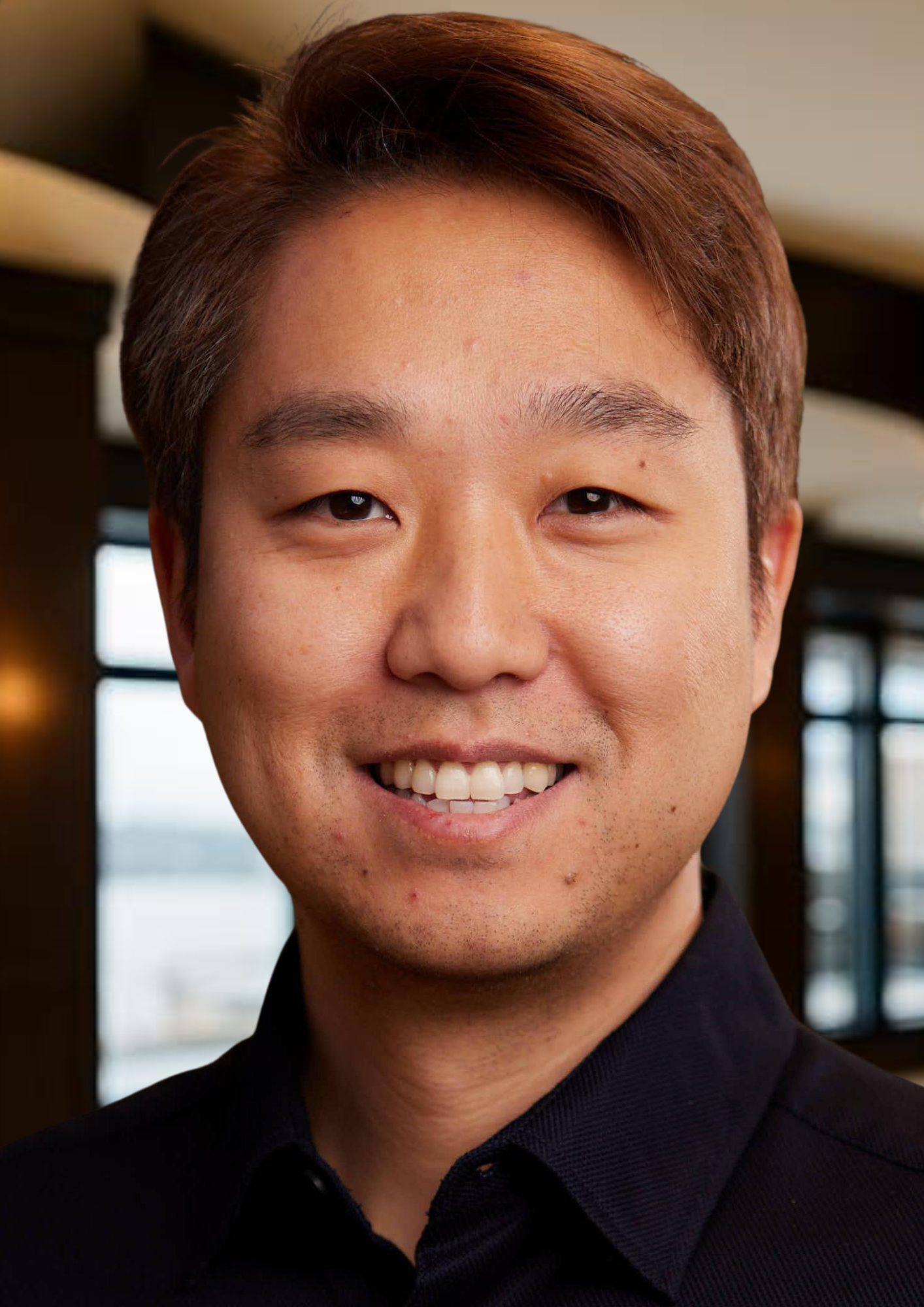 John Sun · Group VP, Technology, Domain John Sun is Group Vice President of Technology at Domain, one of Australia's leading digital property marketplaces, where he leads technology initiatives supporting the organisation's digital products and platforms. He brings extensive experience across technology leadership, software engineering, product development and digital transformation, with a career spanning real estate, telecommunications, banking, fintech and insurtech. Prior to Domain, John held senior roles at Qantas Group, contributing to the launch and growth of digital ventures across new markets. John's expertise centres on building and scaling digital platforms, modernising technology capabilities and aligning engineering and product teams with broader commercial objectives. His experience across established enterprises and digital businesses provides a practical perspective on balancing innovation, customer experience, platform performance and operational complexity. John brings valuable insight into how technology leaders can strengthen engineering capabilities, make effective investment decisions and deliver scalable digital solutions that create measurable business value.
 Stevie-ann Dovico · Chief Technology Officer, Australian Financial Complaints Authority Stevie-Ann Dovico is Chief Technology Officer at the Australian Financial Complaints Authority (AFCA), where she leads technology initiatives supporting the organisation's operations, digital capabilities and strategic objectives. Appointed in March 2026, she brings nearly 20 years of technology leadership experience across major Australian financial institutions, including Westpac and NAB. Her background spans enterprise technology, digital modernisation, data, cybersecurity, cloud transformation and technology strategy within complex, highly regulated environments. Stevie-Ann's expertise centres on leveraging technology, data and emerging capabilities such as AI and intelligent automation to improve service delivery and organisational effectiveness. At AFCA, her work supports the modernisation of complaint-handling processes and the development of technology capabilities designed to improve accessibility and outcomes for consumers. She brings a practical perspective on aligning technology investment with organisational purpose, simplifying complex operations and balancing innovation with robust cybersecurity, governance and accountability.
 Jean-Baptiste Bres · CISO, AMP Jean-Baptiste Bres is Chief Information Security Officer and Director of Enterprise AI and Technology Security, Risk and Compliance at AMP, where he leads cybersecurity and technology risk initiatives within a highly regulated financial services environment. He brings more than 20 years of experience across banking and financial services in Australia and Europe. Before joining AMP in 2024, Jean-Baptiste served as Chief Information Security Officer for HSBC Australia and New Zealand, following senior security leadership roles at Avenue Bank, Xinja and StatePlus, alongside earlier experience at BNP Paribas and Société Générale. Jean-Baptiste's expertise spans cybersecurity strategy, technology risk, regulatory compliance, cloud security and security operations. His work sits at the intersection of security, risk and emerging technology, with a focus on protecting critical systems while enabling business transformation and innovation. He brings a practical perspective on integrating cybersecurity into enterprise decision-making, strengthening organisational resilience and establishing appropriate governance and controls as organisations adopt AI and increasingly complex digital capabilities.
 Gemma Kyle · Chief Risk Officer (CRO), Rest Gemma Kyle is Chief Risk Officer at Rest, one of Australia's largest industry superannuation funds, where she leads the organisation's enterprise risk function. Appointed to the role in 2018, Gemma brings more than 25 years of experience across risk management, governance and regulatory environments spanning financial services, government and engineering. Prior to joining Rest, she held senior roles at MLC Life Insurance, MLC Wealth, Parsons Brinckerhoff and the Australian Treasury, building extensive expertise in managing risk across complex and highly regulated organisations. Gemma's expertise spans enterprise risk, operational resilience, investment risk, compliance, financial crime and regulatory engagement. She brings a practical understanding of how organisations can strengthen risk frameworks, maintain effective governance and meet evolving regulatory expectations while continuing to deliver strategic and commercial objectives. Through her leadership at Rest and broader industry involvement, Gemma offers valuable insight into embedding risk accountability across an organisation and balancing innovation with robust oversight, resilience and long-term business sustainability.
Ed Falconer · Chief Data Officer, Bupa Ed Falconer is Chief Data Officer at Bupa, where he leads data strategy, analytics and AI initiatives to support business transformation and improve customer outcomes across the healthcare sector. He brings extensive experience across data, digital and commercial strategy, having held senior leadership roles at Coles Group, Accenture, Publicis Sapient and Ogilvy. His career spans enterprise analytics, customer personalisation, data commercialisation and the application of technology to complex business challenges. Ed's expertise centres on translating enterprise data capabilities into measurable commercial value and better customer experiences. He brings a practical perspective on building data-driven organisations, strengthening the foundations required for effective AI adoption and connecting analytics with strategic decision-making. His experience across healthcare, retail and consulting provides valuable insight into breaking down data silos, scaling data and AI initiatives, and moving organisations beyond retrospective reporting towards predictive insights and more personalised, proactive services.
Louiza Nutt · Group General Manager Network, Cybersecurity and Infrastructure, JB Hi-Fi Louiza Nutt is Group General Manager of Cybersecurity, Network and Infrastructure at JB Hi-Fi, where she leads critical technology capabilities supporting the retailer's operations and digital environment. She brings extensive experience across technology leadership, infrastructure, cybersecurity, engineering and enterprise services, having previously held senior roles at Telstra and Latitude Financial Services. Her background spans large-scale technology operations, workplace services, software engineering and infrastructure management across complex enterprise environments. Louiza's expertise centres on building secure, resilient and scalable technology foundations that support business performance and transformation. Her experience across telecommunications, financial services and retail provides a practical perspective on modernising infrastructure, strengthening cybersecurity and simplifying complex technology environments. She brings valuable insight into balancing security and operational resilience with business agility, while ensuring technology capabilities remain aligned with organisational priorities and the needs of customers and frontline teams.
John BouAntoun · Global Chief Technology Officer, Domino's Pizza Enterprises John BouAntoun is Group Chief Technology Officer at Domino's Pizza Enterprises, where he leads the organisation's global technology strategy and oversees the digital capabilities supporting its extensive international operations. With more than 20 years of experience across technology, consulting and digital transformation, he brings a strong understanding of how technology can drive commercial performance, enhance customer experiences and create competitive advantage within complex consumer-facing businesses. Prior to joining Domino's, John was a Partner at Deloitte Digital, where he led major digital and customer transformation initiatives for organisations including MECCA, Super Retail Group, Cotton On, The Warehouse Group, Sony and Metcash. His expertise spans digital commerce, omnichannel strategy, enterprise technology and large-scale transformation. John brings a commercially focused perspective on leveraging technology to simplify operations, accelerate innovation and deliver measurable business outcomes.
Josh Heid · Chief Executive Officer, Factor
Monique Dignan-Smith · VP Analyst, Factor
Shelley Rigg · VP Analyst, Factor
Partners
- HP · Gold Our vision is to create a world where innovation drives extraordinary contributions to humanity. This vision guides everything we do, how we do it, and why we do it. Our technology – a product and service portfolio of personal systems, printers, and 3D printing solutions – was created to inspire our vision and we are doing everything in our power across climate action, human rights, and digital equity to make it so. We believe thoughtful ideas can come from anyone, anywhere, at any time. And all it takes is one to change the world.
 Ruckus Networks · Bronze
- Endava
- Recorded Future · Platinum Recorded Future is the world's largest threat intelligence company, serving over 1,900 businesses and government organizations across 80 countries. The Recorded Future platform provides the most complete coverage across adversaries, infrastructure, and targets through the Intelligence Graph® containing 200+ billion nodes of specialized threat data. By combining precise, AI-driven analytics with breakthrough autonomous capabilities, Recorded Future enables organizations to transform from manual threat intelligence limitations to Intelligence Operations that automatically operationalize threats across entire security ecosystems. Recorded Future was acquired by Mastercard (NYSE: MA) in 2024. Headquartered in Boston with offices around the world, Recorded Future continues to lead the evolution from traditional threat intelligence to automated risk mitigation. Learn more at www.recordedfuture.com .
 NinjaOne · Gold
 Aikido Security · Bronze
More events from this host
- CIO Day AI playground | J | Sydney February 2027, Sydney
- CIO Day | AI | playground | 3 | Sydney February 2027, Sydney
- CIO Day AI | Sydney February 2027, Sydney
- CIO Day | Singapore June 2027, Singapore
- CIO Day | Melbourne August 2027, Melbourne
- CIO Day | Canberra August 2027
- CIO Day | Singapore October 2027, Singapore
- Factor Day | Singapore October 2026, Singapore