CTO Day | Sydney
The AI Bill, the Legacy Burden and the Fight for Control
Crown Sydney, Australia
Hosted by Factor
- 155 attendees
- 8 hours
Overview
Enterprise technology is entering a period of unprecedented investment, but the cost of keeping pace is becoming harder to ignore. The race to operationalise AI is driving demand for computing power, infrastructure and engineering capability, while exposing the limitations of ageing enterprise architecture, fragmented data environments and increasingly complex technology dependencies. For Australian organisations, these pressures are compounded by energy constraints, global vendor concentration, sovereignty concerns and growing expectations around cyber and operational resilience.
From the economics of running AI at scale and the future of autonomous engineering to the cost of legacy modernisation, sovereign infrastructure, hyperscaler dependency and the changing expectations of the CTO, the agenda challenges conventional thinking about how enterprise technology is funded, built and governed.
The defining challenge for 2027 is determining what organisations can no longer afford to carry, which technology dependencies have become strategic liabilities and whether the next generation of enterprise technology will create genuine competitive advantage or simply introduce a new layer of cost and complexity.
What we will cover
- Enterprise Support The latest strategies in enterprise support with cost optimisation in mind.
- Innovation & Transformation Focusing on how technology leaders can guide digital transformation efforts, ensuring alignment with broader business goals.
- IT Modernisation Examining strategies for modernising legacy systems, creating more agile and scalable IT infrastructures that meet future demands.
- Cloud Management Discussing the role of cloud technologies in enhancing operational efficiency, improving cost management, and supporting business growth.
- Cybersecurity Leadership Highlighting the growing responsibility CTOs have in setting the organisation’s cybersecurity agenda, balancing proactive defence with innovation.
- Edge Computing Exploring the integration of edge computing and Internet of Things (IoT) technologies to enable faster data processing and real-time insights.
- AI Integration Investigating how AI and machine learning are transforming business processes, driving automation, and enhancing decision-making.
- Data Governance Addressing how CTOs can lead efforts in establishing robust data governance frameworks to ensure compliance and data security.
- Talent Upskilling Focusing on strategies to attract, retain, and upskill technology talent, keeping teams agile and ahead of the curve in a competitive market.
- C-Suite Collaboration Discussing the evolving role of CTOs as strategic partners within the executive team, ensuring that technology initiatives align with overall business strategies.
- CTOs & Sustainability Exploring how technology can drive sustainability efforts, from reducing energy consumption in data centres to integrating eco-friendly IT practices.
- Quantum Readiness Examining how CTOs can prepare their organisations for the future of quantum computing, understanding potential applications and risks.
Agenda
- Networking Breakfast(CTO Day)
- Opening Remarks: What Boards Now Expect(CTO Day) Drawing on Factor’s latest CIO and board-level research, the VP Analytics outlines how expectations of enterprise leaders have shifted in Australia this year. Covers what directors now look for in resilience, modernisation, and technology outcomes, and how leading CTOs are adjusting their communication to match.
- Context: CTOs at the Crossroads(CTO Day) As organisations move into 2027, CTOs are facing a fundamental shift in what technology leadership demands. AI-driven disruption, rising infrastructure costs, increasing cyber exposure and changing business expectations are pushing technology leaders beyond traditional delivery and operational responsibilities. The modern CTO must balance innovation with commercial accountability, navigate increasingly complex technology environments and ensure technology investments translate into measurable business outcomes. This session explores the emerging priorities, capabilities and leadership approaches that will define successful CTOs in 2027 and beyond. Discussion Points: From Technology to Business Leadership: Expanding the CTO's influence across the C-suite, aligning technology strategy with commercial priorities, enterprise growth and operational performance. Leading Through Complexity: Navigating competing investment demands, geopolitical uncertainty, cyber threats and accelerating technological change while maintaining strategic direction. Building for the Next Wave: Leveraging AI, automation and modern technology architectures to reshape organisational capabilities, improve productivity and sustain competitive advantage.
- 2027. A New Wave of Leadership(CTO Day) Technology leadership is entering a defining period as AI, economic pressure, geopolitical uncertainty and accelerating business expectations reshape the role of the CTO. The traditional boundaries between technology, operations, risk and commercial leadership are becoming increasingly blurred, demanding a different approach to decision-making and organisational leadership. In this keynote, Factor's VP Analyst explores the emerging leadership priorities, capabilities and strategic shifts that will define successful technology leaders in 2027 and beyond. Discussion Points: The Expanding CTO Mandate: How the CTO role is evolving beyond technology delivery to encompass business growth, operational resilience, enterprise risk and commercial performance. Leading Through Uncertainty: Navigating competing investment priorities, geopolitical disruption, rapid AI adoption and increasing pressure to make high-stakes technology decisions. The Next Generation of Technology Leadership: Building the organisational capabilities, leadership models and cross-functional relationships needed to lead technology through its next phase of transformation.
- Building the Next Horizon for Australian AI(CTO Day) Australia’s largest organisations have moved beyond the experimentation phase into enterprise-scale AI adoption, where the real challenge is no longer trying new technology, but balancing speed, value and structural risk. In this opening keynote, Brett Szmajda, Deputy Executive Director of the National AI Centre, will explore how confidence, capability and clarity must evolve as enterprises scale AI. Brett will examine how technology leaders can move beyond ad-hoc experimentation and use-case proliferation, navigate emerging risks including agentic AI, and build a stronger Australian AI ecosystem without defaulting entirely to overseas technology. Discussion Points: Confidence: Navigating the Next Generation of Risk: As enterprises move beyond basic shadow AI controls, traditional risk frameworks are being tested by autonomous and agentic technologies. How should leaders redefine risk tolerance and enable safe experimentation as AI becomes less predictable? Capability: Scaling Output, Not Just Literacy: As organisations face an expanding pipeline of AI use cases, the challenge is shifting from basic fluency to prioritising what delivers genuine value. How can leaders build workforce capability, safely enable bottom-up experimentation and turn AI into a multiplier of organisational output? Clarity: Governing for Scale and Supporting Local Innovation: Enterprise-scale adoption requires clarity around governance, transparency, procurement and build-versus-buy decisions. How can leaders create the conditions to scale AI responsibly while supporting Australia’s emerging AI ecosystem and reducing unnecessary dependence on overseas technology?
- The Legacy Technology Bill: How Long Can Enterprises Keep Paying for the Past?(CTO Day) Legacy technology is becoming an increasingly expensive constraint on enterprise transformation. From ageing core platforms and accumulated technical debt to unsupported systems and fragmented architectures, CTOs must decide what to replace, what to retain and how to modernise without destabilising critical operations. This session examines how organisations can move away from outdated technology foundations while managing the commercial and operational risks of change. Discussion Points: The Cost of Standing Still: Identifying the growing financial, operational and security consequences of maintaining ageing platforms and accumulated technical debt. Modernisation Without Disruption: Approaches to replacing or re-architecting mission-critical systems without interrupting business operations or introducing unacceptable delivery risk. Deciding What Deserves Rebuilding: Determining which systems should be retired, replaced, re-platformed or retained based on business criticality and long-term value.
- The Technology Mandate: Who Owns Growth, Risk and the Cost of Change?(CTO Day) Technology decisions are no longer confined to the technology function. As AI investment accelerates, cyber exposure grows and business expectations continue to rise, the relationship between technology and commercial leadership is being tested. This opening C-suite discussion brings CTOs, CIOs, CFOs and COOs together to examine who should own technology outcomes, how competing priorities are resolved and what the business should realistically expect from its technology function. Discussion Points: The Ownership Question: Where should accountability sit when technology investment directly affects revenue, operational performance, customer experience and enterprise risk? The Investment Trade-Off: How should the C-suite resolve competing demands between innovation, modernisation, security and cost reduction when everything cannot be funded? The New Definition of Value: What should technology leaders be measured against beyond delivery milestones, uptime and project budgets?
- AI Must Earn Its Place: Moving From Enterprise Experimentation to Commercial Results(CTO Day) Organisations have invested heavily in AI experimentation, but the challenge now is demonstrating that these investments can deliver measurable business value. As CTOs move beyond isolated pilots and embedded copilots, they must determine which use cases justify enterprise-wide deployment, how to integrate AI into existing operations and whether the economics make sense at scale. This session examines what it actually takes to turn AI investment into sustained commercial performance. Discussion Points: The Pilot Graveyard: Why promising AI initiatives struggle to progress beyond experimentation and what separates scalable applications from expensive proofs of concept. Measuring What Matters: Establishing credible measures of productivity, cost reduction, revenue contribution and return on AI investment. From Experiment to Enterprise: Addressing integration, operational ownership, workforce adoption and the infrastructure required to deploy AI across core business processes.
- Morning Tea & Networking Break(Networking Break & Morning Tea)
- Peer-Driven Debates(CTO Day) A: AI Ambition vs Commercial Reality Are organisations investing in AI faster than they can realise meaningful returns? Should CTOs be prioritising enterprise-wide AI adoption or cutting initiatives that cannot demonstrate measurable value? Is AI becoming a genuine competitive advantage or an increasingly expensive expectation? B: Modernisation vs Business Continuity How much operational risk should organisations accept to accelerate legacy technology modernisation? Is it better to progressively modernise existing systems or replace outdated platforms entirely? When does the cost of maintaining legacy technology become greater than the risk of replacing it? C: Cloud Freedom vs Infrastructure Control Are organisations becoming too dependent on global hyperscalers and cloud providers? Should CTOs prioritise cloud flexibility or greater control through hybrid and on-premise infrastructure? Is cloud cost optimisation enough, or do enterprises need to fundamentally rethink where their workloads run? D: Autonomous AI vs Human Accountability How much decision-making authority should organisations give AI agents without human approval? Who should ultimately be accountable when autonomous systems make consequential business or operational decisions? Will AI agents become a productivity multiplier or create an entirely new category of enterprise risk? E: Cyber Prevention vs Operational Resilience Should CTOs invest more in preventing cyber incidents or ensuring the business can recover when prevention fails? How much disruption should organisations realistically expect to withstand from a major cyber incident or third-party outage? Is enterprise resilience primarily a technology responsibility or a whole-of-business accountability? F: Technology Sovereignty vs Global Scale Should Australian enterprises prioritise local technology infrastructure and data sovereignty over the scale and economics of global providers? How much control are organisations willing to sacrifice for access to leading cloud, AI and software platforms? Is vendor diversification genuine resilience or simply another layer of technology complexity? G: Engineering Productivity vs Software Quality Are AI coding tools genuinely improving engineering productivity or simply accelerating the production of code that still needs to be reviewed and maintained? Should CTOs prioritise faster software delivery or stronger controls around quality, security and technical debt? Will AI fundamentally reduce the need for traditional engineering roles or simply change what great engineers are expected to do? H: Innovation Investment vs Technology Discipline Should CTOs continue investing aggressively in emerging technologies or redirect capital towards fixing existing technology foundations? When budgets are constrained, should modernisation, cybersecurity or innovation take priority? Is the biggest barrier to enterprise technology progress insufficient investment or an inability to stop doing the wrong things?
- When Technology Growth Starts Limiting Agility(CTO Day) For years, technology leaders were rewarded for expanding platforms, adding capabilities and accelerating delivery. But as organisations scale, technology growth can introduce complexity that slows decision-making, increases risk and limits agility. Today’s leading organisations are taking a more disciplined approach, simplifying environments, protecting core architecture and making deliberate choices about what to build, buy and retire. In this session, Ram explores why simplicity has become a strategic capability and how technology leaders can build foundations that enable continuous change. Discussion Points: When Technology Growth Starts Limiting Agility : How accumulated systems, platforms, integrations and processes can create hidden complexity, slowing decision-making, increasing operational risk and making organisations harder to adapt. Knowing What to Build, Buy and Retire : How technology leaders can move beyond continuous expansion by making disciplined investment decisions, reducing unnecessary complexity and focusing resources on capabilities that create business value. Building Technology Foundations That Enable Future Change: How CIOs can create scalable architectures, operating models and technology foundations that allow organisations to evolve faster without creating future constraints.
- Governing Autonomous Agents Across the Enterprise(CTO Day) The next phase of enterprise AI will involve systems capable of initiating actions, accessing applications and executing multi-step workflows with increasingly limited human intervention. This creates a fundamentally different technology challenge from traditional AI adoption. CTOs must establish how agents are identified, authorised, monitored and restricted before autonomous systems become embedded across critical business operations. Discussion Points: The Identity of an Agent: Managing machine identities, credentials and access privileges as AI agents begin acting on behalf of employees and the organisation. Defining the Boundaries of Autonomy: Establishing which decisions agents can make independently, where human approval remains necessary and how permissions are enforced. Monitoring Machine Behaviour: Creating visibility into agent activity, decision trails, system interactions and the ability to intervene when autonomous systems behave unexpectedly.
- The Cloud Economics Reckoning: Are You Running the Right Workloads in the Right Places?(CTO Day) Cloud adoption has given enterprises greater flexibility, but growing consumption, complex pricing structures and fragmented environments have made cost control increasingly difficult. At the same time, AI and data-intensive workloads are challenging traditional assumptions about where applications should run. This session examines how CTOs are reassessing cloud architecture, workload placement and infrastructure economics to achieve greater control without sacrificing scalability. Discussion Points: The True Cost of Cloud: Exposing hidden consumption, licensing, data transfer and operational costs that undermine the economics of cloud environments. Choosing Where Workloads Belong: Evaluating public cloud, private cloud, hybrid and on-premise infrastructure based on performance, security, resilience and total cost of ownership. Engineering Cost Discipline: Embedding FinOps, utilisation monitoring and financial accountability into technology architecture and engineering decisions.
- Lunch Break & Peer Connect An hour to continue conversations, meet solution providers and explore potential partnerships.
- CTO Exchange(CTO Day) An interactive session where tech leaders connect with peers to share candid stories about decisions they’ve made, what worked, and what they learned along the way. Expect honest reflections, practical insights, and engaging peer-to-peer conversations in an open, informal format.
- The Compute Constraint: Can Australia's Digital Infrastructure Keep Up?(CTO Day) The rapid expansion of AI, cloud services and data-intensive applications is placing new demands on Australia's digital infrastructure. Data centre capacity, electricity availability, network connectivity and access to high-performance computing are becoming increasingly important considerations for enterprise technology planning. This session examines the infrastructure limitations that could shape Australia's digital competitiveness and what CTOs need to consider when planning their next generation of technology environments. Discussion Points: The Capacity Challenge: Understanding the availability, location and scalability of Australian data centre and high-performance computing capacity. The Energy Equation: Examining electricity demand, network constraints, sustainability requirements and the implications of energy costs for compute-intensive workloads. Planning for the Next Infrastructure Cycle: Deciding how to balance local infrastructure, global hyperscalers and emerging computing requirements as enterprise demand grows.
- Designed to Fail Forward: Building Technology That Can Survive a Serious Cyber Incident(CTO Day) Cybersecurity strategies are increasingly being tested by sophisticated attacks, interconnected technology environments and growing reliance on third-party providers. For CTOs, the challenge extends beyond preventing breaches to ensuring that critical systems can withstand compromise, maintain essential services and recover quickly. With post-quantum cryptography also moving onto the technology roadmap, this session examines how organisations can build resilience into the architecture of their enterprise. Discussion Points: Assume the Breach: Designing architectures that limit lateral movement, contain compromise and protect critical systems when preventative controls fail. Recovery Is the Real Test: Strengthening backup integrity, system restoration, disaster recovery and business continuity under realistic attack scenarios. Preparing for the Quantum Transition: Assessing cryptographic dependencies, prioritising sensitive systems and preparing for Australia's recommended transition to post-quantum cryptography by 2030.
- Building Architecture That AI Can Actually Work With(CTO Day) As organisations introduce more sophisticated AI and real-time applications, fragmented data environments are becoming a major architectural constraint. Disconnected platforms, inconsistent definitions and limited access to reliable business context undermine the accuracy and usefulness of enterprise systems. This session explores how CTOs can modernise data architecture to support intelligent applications, faster decision-making and increasingly autonomous technology environments. Discussion Points: The Fragmented Enterprise: Addressing disconnected data environments, duplicated records and inconsistent information across business-critical platforms. Building an AI-Ready Architecture: Establishing the integration, semantic layers, data quality and context required for reliable enterprise AI and agentic applications. Real-Time Without the Complexity: Balancing streaming data, real-time analytics and distributed architecture against cost, performance and governance requirements.
- Who Really Controls Your Technology? The Growing Risk of Global Platform Dependency(CTO Day) Enterprise technology environments are increasingly concentrated around a small number of global cloud providers, software platforms and infrastructure vendors. As geopolitical tensions, regulatory expectations and commercial dependencies evolve, organisations need to understand how much control they retain over their own technology environments. This session examines digital sovereignty, vendor concentration and the practical ability to maintain operations or move away from providers when circumstances change. Discussion Points: The Sovereignty Question: Evaluating where enterprise data, workloads and critical technology capabilities reside, including the implications of offshore legal and jurisdictional exposure. The Vendor Dependency Trap: Understanding how proprietary platforms, licensing structures, technical integrations and concentrated suppliers can limit enterprise flexibility. Building a Credible Exit Strategy: Designing architectures, contractual arrangements and portability capabilities that allow organisations to change providers without compromising operational continuity.
- The CTO Reality Check: What Would You Stop, Rebuild or Never Do Again?(CTO Day) Technology leaders are navigating an environment where the cost of getting decisions wrong is increasing, technology dependencies are becoming harder to manage and expectations for delivery continue to rise. In this closing discussion, experienced CTOs reflect on the decisions that have had the greatest consequences for their organisations, the investments they would reconsider and the technology practices they believe enterprises need to leave behind. An honest, experience-led conversation about what it takes to lead technology successfully into the next chapter. Discussion Points: The Decisions We Got Wrong: Reflecting on failed transformations, expensive technology investments and architectural decisions that created more problems than they solved. What We Would Stop Doing Tomorrow: Identifying outdated practices, unnecessary complexity, redundant platforms and technology initiatives that no longer justify their cost. The Next Three Years: Sharing the technology capabilities, investments and leadership decisions that will separate organisations positioned for success from those struggling to keep up.
- Closing Remarks: CTO Priorities for 2027(CTO Day) A structured 90-, 180-, and 360-day roadmap built from Factor’s benchmark data. Covers modernisation, resilience, platform simplification, and capability uplift. CTOs can scan the QR code to access a personalised benchmarking tool and download an action plan tailored to their organisation.
- Networking Drinks | End of Day(CTO Day)
Speakers
Josh Heid · Chief Executive Officer, Factor Josh Heid is the Chief Executive Officer of Factor, where he leads the organisation's strategic direction and development of its executive membership and insights platform. His work centres on helping senior business and technology leaders navigate complex commercial challenges through peer engagement, industry intelligence and executive-level discussions. With a strong background spanning product design, customer experience, engineering and business strategy, Josh brings a multidisciplinary perspective to the intersection of technology and business leadership. He is particularly focused on developing solutions that connect customer needs with practical innovation, operational effectiveness and measurable business outcomes.
Monique Dignan-Smith · VP Analyst, Factor Monique Dignan-Smith is VP Analyst at Factor, where she contributes to the organisation's research, editorial and executive engagement initiatives. With more than a decade of experience across corporate, sports, lifestyle, travel, health and automotive sectors, she brings a broad understanding of business communications and audience engagement. With a background in journalism, content creation and social media marketing, Monique is an experienced host, presenter and interviewer. Her work spans live events, executive interviews, advertorials and digital platforms, where she combines editorial insight with an engaging presentation style to facilitate meaningful conversations with senior business leaders.
Shelley Rigg · VP Analyst, Factor Shelley Rigg is Executive Producer, Research & Content at Factor, where she draws on over two decades of experience producing commercially driven campaigns, broadcast content, and executive events for some of the world’s leading brands. An award-winning producer and BAFTA recipient, Shelley has overseen more than 30 primetime shows in the UK and US, led strategic campaigns for Netflix, BBC, Amazon Prime, Rio Tinto, and Optus, and executive produced major live events, including Optus’s award-winning coverage of the FIFA Women’s World Cup 2023. At Factor, she brings her expertise as a talk show host, moderator, and content strategist, supporting broadcast, editorial, and e-learning initiatives while shaping engaging conversations with senior leaders across industries.
Dr Brett Szmajda · Deputy Executive Director, National AI Centre
Robert Wilson · Group Chief Technology Officer, Bank of Queensland Robert Wilson is a senior technology executive who has served as Group Chief Technology Officer at Bank of Queensland, overseeing technology strategy and delivery across the banking group. His remit encompasses the technology platforms, infrastructure and capabilities required to support banking operations, customer experiences and enterprise-wide transformation. Operating within Australia's highly regulated financial services sector, Robert's role involves balancing technology modernisation with security, operational resilience and business performance. His perspective is particularly relevant to discussions around legacy technology, digital banking, enterprise architecture and the strategic role of technology in improving customer and commercial outcomes.
 Tanya Trott · Chief Technology Officer, Transurban Tanya Trott is a senior technology executive who has served as Chief Technology Officer at Transurban, one of Australia's leading infrastructure and toll-road operators. Her role encompasses the technology capabilities supporting complex transport infrastructure, digital customer services and the reliable operation of large-scale transport networks. Her experience sits at the intersection of enterprise technology and critical infrastructure, where technology performance has a direct impact on operational continuity, customer experience and safety. Tanya brings a valuable perspective to discussions around technology modernisation, infrastructure resilience, digital innovation and the challenges of operating technology in always-on environments.
John Bouantoun · Global Chief Technology Officer, Domino's Pizza Enterprises John BouAntoun is a senior technology executive with more than 20 years of experience leading technology and transformation initiatives across the retail and consumer sectors in Australia and New Zealand. As Group Chief Technology Officer at Domino's Pizza Enterprises, he is responsible for driving technology capabilities that support the company's global operations and omnichannel customer experience. Prior to joining Domino's, John was a Partner and Delivery Excellence Lead at Deloitte Digital, where he led major customer and digital transformation initiatives for brands including MECCA, Super Retail Group, Cotton On, The Warehouse Group, Sony and Metcash. His expertise spans digital commerce, customer experience, sales and service transformation, and the application of technology to large-scale consumer businesses.
Angus Melbourne · President Orica Digital Solutions & Chief Technology Officer, Orica Angus Melbourne is President of Orica Digital Solutions and Chief Technology Officer at Orica, a global mining and infrastructure solutions business. Appointed to his current position in January 2025, he oversees Orica Digital Solutions, strategic marketing, research and development, and technology commercialisation. Angus previously served as Orica's Chief Technology Officer and Chief Commercial Officer. Before joining the organisation in 2016, he spent 25 years at Schlumberger in senior executive positions spanning research and development, engineering, manufacturing, operations and sales. His experience brings together industrial technology, commercial strategy, innovation and the application of digital capabilities to complex operational environments.
 Linda Da Silva · Group Chief Technology and Transformation Officer, nib Group Linda Da Silva is Group Chief Technology and Transformation Officer at nib Group, where she leads the organisation's technology strategy and transformation agenda. Her responsibilities include developing and delivering the technology capabilities required to support business growth, innovation and improved experiences for customers, partners and employees. With more than 25 years of experience across technology leadership, data and digital transformation, enterprise architecture and technology delivery, Linda brings extensive experience in navigating complex organisational change. Her work sits at the intersection of technology strategy and business transformation, with a focus on aligning enterprise capabilities with long-term commercial priorities.
Richard Exton · Group Chief Technology and Data Officer, Aware Super Richard Exton is Group Executive, Chief Technology and Data Officer at Aware Super, where he leads technology, data and AI capabilities across one of Australia's largest superannuation funds. His appointment to the executive leadership team in November 2025 reflects the increasing importance of technology and data in delivering the organisation's long-term strategy and member outcomes. During his time at Aware Super, Richard has played an instrumental role in major technology initiatives, including the 2023 insourcing of the fund's administration and a significant modernisation of its technology platforms. His experience encompasses digital transformation, enterprise technology, infrastructure modernisation, cybersecurity and the development of technology capabilities that improve member experiences.
 Matthias Hansen · Chief Digital, Data and Information Officer, Sonic Healthcare Matthias Hansen is an experienced international technology executive who has served as Chief Digital, Data and Information Officer at Sonic Healthcare, one of the world's leading medical diagnostics organisations. His responsibilities encompass the technology, digital and data capabilities supporting a complex healthcare business operating across multiple markets. With more than 30 years of experience across several industry sectors, Matthias brings an international perspective to enterprise technology leadership. His expertise is particularly relevant to discussions around digital transformation, data strategy, technology governance and the challenges of modernising technology environments within large, geographically dispersed organisations.
 Kavita Mistry · Chief Technology Officer, AMP Kavita Mistry is Chief Technology Officer and AI Officer at AMP, where she leads the organisation's enterprise technology and artificial intelligence strategy. Since joining AMP in January 2024, she has been responsible for advancing its digital-first transformation agenda and ensuring technology capabilities support the organisation's broader strategic priorities. Her remit encompasses technology modernisation, AI adoption, customer-centricity, operational simplification and enterprise growth. Working within Australia's financial services and wealth management sector, Kavita brings a perspective on how established organisations can leverage emerging technologies while strengthening their underlying technology capabilities and delivering sustainable business outcomes.
 Keith Howard · CISO (Executive General Manager, Cyber Security & Risk), Suncorp Group Keith Howard is Executive General Manager of Cyber Security and Risk at Suncorp Group, where he leads the organisation's cybersecurity and risk capabilities and is responsible for protecting its business operations and customer information. He was appointed to the position in February 2024, bringing extensive experience across technology leadership, cybersecurity and enterprise transformation. Prior to joining Suncorp, Keith held several senior leadership positions at Commonwealth Bank, including Group Chief Information Security Officer and CIO of Product and Marketing. His experience also includes leading major technology transformation programs, large cross-functional teams and global operations across industries including petroleum, transport and software. His expertise spans cyber resilience, enterprise risk, security operations and the relationship between technology risk and business performance.
Jackie Montado · Chief Digital and Technology Officer, Wesfarmers Jackie Montado is a senior digital and technology executive who has served as Chief Digital and Technology Officer at Wesfarmers, one of Australia's largest and most diversified companies. Her role encompasses the technology and digital capabilities supporting a broad portfolio of businesses operating across retail, industrial and other commercial sectors. Her executive remit sits within a complex enterprise environment, requiring alignment between technology investment, business strategy and operational performance across multiple business units. Her perspective is particularly relevant to enterprise-wide digital transformation, technology governance, customer experience and the challenge of delivering consistent technology capabilities across diverse operating environments.
Kate Whitney · Chief Digital and Technology Officer, Treasury Wine Estates Kate Whitney is Chief Digital and Technology Officer at Treasury Wine Estates, where she leads digital enablement and technology across the organisation's global operations. Since joining the business in January 2023, she has been responsible for supporting the company's digital transformation and ensuring technology capabilities align with its commercial and operational priorities. Kate brings 25 years of experience across consumer marketing and digital transformation, having previously held executive positions in Australia, the United States and the United Kingdom. Her career includes senior roles at Marley Spoon, Pernod Ricard, David Jones, Foxtel and M&C Saatchi. She also serves as a non-executive director of Australian fintech Wisr, bringing a distinctive combination of marketing, customer, digital and technology experience.
Grant Currey · Corporate CTO ANZ, Flight Centre Travel Group Grant Currey is Corporate Chief Technology Officer for Australia and New Zealand at Flight Centre Travel Group, where he leads technology strategy and transformation across one of the world's largest travel companies. His role focuses on aligning technology investment with business priorities and supporting the digital platforms and capabilities underpinning the group's operations. Grant brings a commercially focused perspective to enterprise technology leadership, with an emphasis on digital transformation, enterprise platforms, artificial intelligence and technology-enabled customer and operational outcomes. His work centres on translating emerging technologies into measurable business value while building the organisational capabilities, governance and culture required to adopt innovation responsibly at scale.
Stuart Freer · Chief Information and Digital Officer, Coates Stuart Freer is Chief Information and Digital Officer at Coates, where he leads the organisation's information technology and digital transformation agenda. He joined the business in March 2024, bringing more than 20 years of experience delivering technology-led change, operational improvement and business growth. Prior to Coates, Stuart held senior executive positions including Chief Digital and Technology Officer at Strand, Chief Digital and Data Officer at MECCA Brands and General Manager of Digital at Coles Group. Earlier in his career, he held senior positions with major UK retailers including Tesco, Dixons Retail and Home Retail Group. His expertise spans digital strategy, data, technology transformation, infrastructure and the delivery of commercial efficiencies through technology.
Jacqui Lennon · Chief Technology and Transformation Officer, Zurich Insurance Jacqui Lennon is Chief Technology and Transformation Officer for Zurich Australia and New Zealand, where she leads organisation-wide technology solutions and transformation initiatives. Appointed to the position in March 2025, she is responsible for improving the organisation's technology capabilities and ways of working, including the adoption of enterprise agile practices. Jacqui brings 20 years of financial services experience, having previously held leadership positions at Zurich, Allianz Retire+, IRESS and Macquarie Group. Her background spans product strategy, customer experience, retail life insurance and digital transformation. She holds qualifications in law, economics, criminology and business and technology, bringing a multidisciplinary perspective to the intersection of technology, customer outcomes and organisational change.
Adam Cox · Chief Technology and Product Officer, THE ICONIC Adam Cox is Chief Technology and Product Officer at THE ICONIC, one of Australia's leading online fashion and lifestyle retailers. His role brings together technology and product leadership, overseeing the digital capabilities and platforms that underpin the company's e-commerce operations and customer experience. Working within a highly competitive digital retail environment, Adam's responsibilities sit at the intersection of engineering, product development and commercial performance. His experience is particularly relevant to discussions around digital customer journeys, technology scalability, product innovation and the challenge of maintaining a competitive online retail platform.
 Nandor Locher · Chief Digital and Technology Officer, News Corp Australia Nandor Locher is Chief Digital and Technology Officer at News Corp Australia, where he has held responsibility for the organisation's digital and technology capabilities. His role sits within one of Australia's largest media businesses, supporting the technology platforms and infrastructure required to deliver content and digital services to audiences. Operating within a rapidly evolving media landscape, his executive remit is closely connected to digital transformation, technology modernisation and the development of scalable platforms. His perspective is relevant to conversations around the changing relationship between technology, digital products, customer engagement and the commercial sustainability of traditional media organisations.
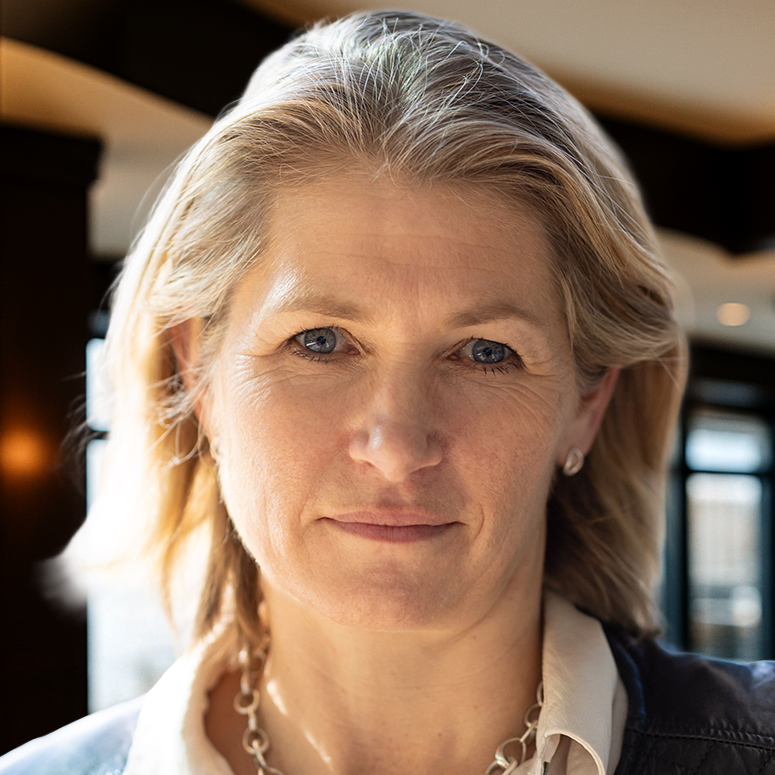 Krissie Auld · Chief Technology Officer, Australian Federal Police Krissie Auld is Chief Technology Officer at the Australian Federal Police, where she leads technology capabilities supporting a complex national law enforcement organisation. Her role encompasses the technology infrastructure and digital systems required to support operational effectiveness, information management and the delivery of critical policing services. Working within a highly sensitive and security-focused environment, Krissie brings a public-sector perspective to enterprise technology leadership. Her role is particularly relevant to discussions around cybersecurity, technology resilience, secure information sharing, digital transformation and the challenges of balancing innovation with stringent operational and security requirements.
Devesh Maheshwari · Chief Technology Officer, Lendi Group Devesh Maheshwari is Chief Technology Officer at Lendi Group, the fintech organisation behind the Lendi and Aussie home lending brands. He leads technology strategy and delivery across a business operating within Australia's highly regulated mortgage and financial services sector, with a focus on using technology to improve customer experiences and business performance. Devesh brings experience from a range of technology-led organisations, including IBM, ThoughtWorks, Pitney Bowes, Tyro, DataMesh Group and Tabcorp. Recognised as Cyber Thought Leader of the Year at the 2026 Australian Cyber Awards, his expertise spans artificial intelligence, cybersecurity, technology transformation and the development of secure and scalable digital platforms.
Ram Kalyanasundaram · Chief Information and Digital Officer, Harris Farm Markets Ram Kalyanasundaram is Chief Information and Digital Officer at Harris Farm Markets, where he leads information technology and digital initiatives supporting the Australian fresh food and grocery retailer. His role encompasses the technology platforms, systems and digital capabilities required to support retail operations, supply chain activities and customer experiences. Ram brings experience across technology and digital transformation within large consumer-facing organisations, including his previous work with Lion. His expertise is particularly relevant to the challenges of modern retail technology, enterprise systems, operational efficiency and the use of data and digital capabilities to improve business performance. He has also been recognised through the CIO50 program.
Melissa Ellul · Chief Information Officer, Woods Bagot Melissa Ellul is Chief Information Officer at Woods Bagot, an international architecture and design practice. She leads the organisation's information technology capabilities, supporting the digital infrastructure, systems and technology platforms that enable collaboration and the delivery of projects across its global operations. Working within a professional services environment where creativity, technical expertise and collaboration are central to business delivery, Melissa's role involves aligning technology capabilities with organisational needs. Her perspective is particularly relevant to discussions around digital workplace transformation, enterprise technology, technology-enabled collaboration and the changing role of IT within professional services organisations.
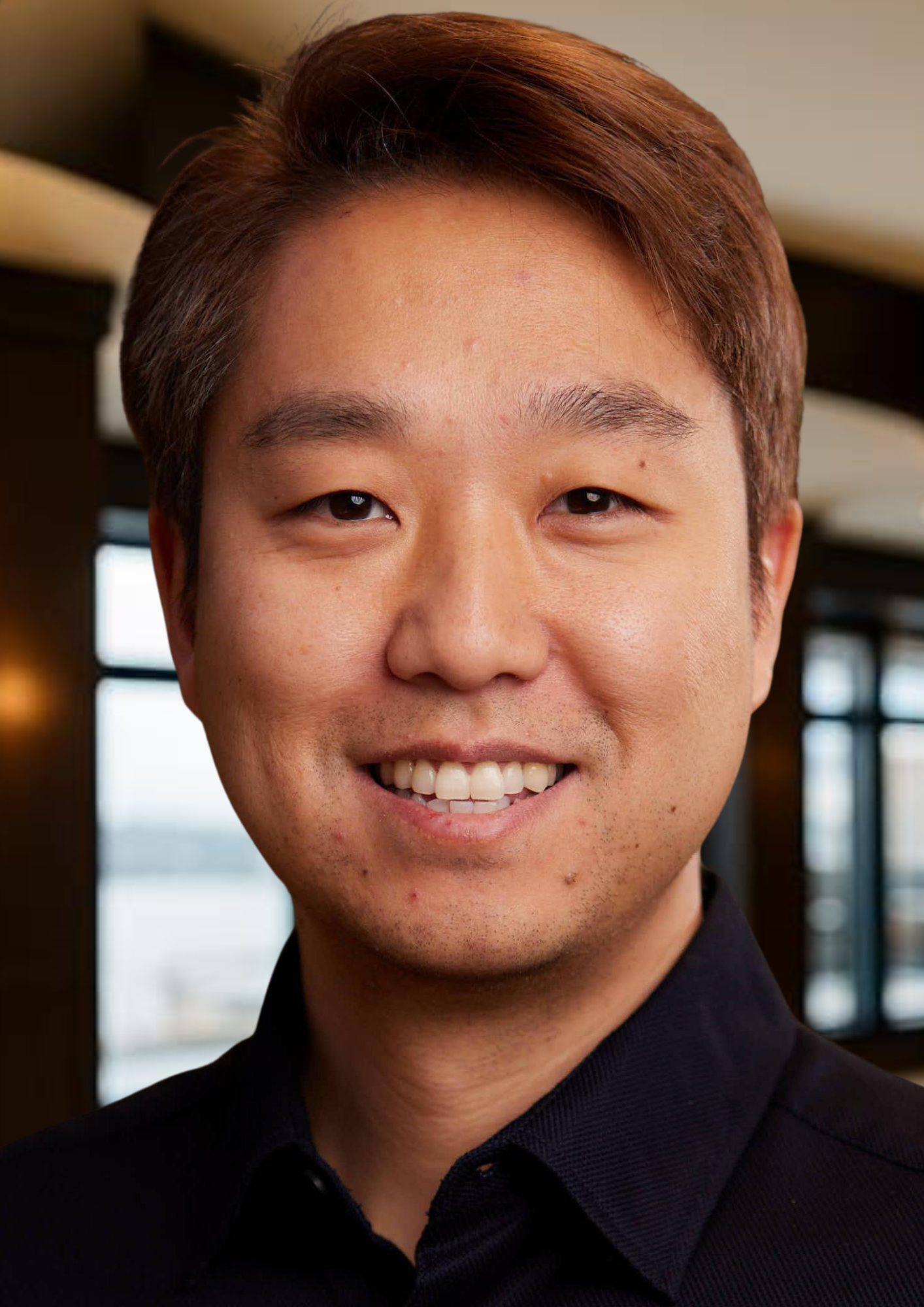 John Sun · Group VP Technology, Domain John Sun is Group Vice President of Technology at Domain, one of Australia's leading property technology and digital property businesses. His role encompasses technology capabilities supporting Domain's digital platforms, products and services, which connect property professionals, buyers, sellers and renters across the Australian market. Operating within a highly competitive digital marketplace, John brings a perspective on the relationship between technology strategy, product innovation and customer experience. His responsibilities are particularly relevant to discussions around scalable technology platforms, digital product development, engineering leadership and the use of technology to create commercial differentiation.
Simon Reiter · Chief Technology Officer, CareSuper Simon Reiter is Chief Technology Officer at CareSuper, where he leads technology capabilities supporting the organisation's superannuation operations and member services. His role involves ensuring that technology infrastructure, enterprise systems and digital platforms support the organisation's strategic priorities and deliver reliable experiences for members. With more than 23 years of experience across technology roles in financial services, healthcare, government and education, Simon brings a broad cross-industry perspective to technology leadership. His experience is particularly relevant to discussions around enterprise transformation, technology governance, digital service delivery and the challenges of modernising systems within regulated and complex organisations.
Goran Stefkovski · Chief Technology Officer, Kogan Goran Stefkovski is Chief Technology Officer at Kogan.com, one of Australia's prominent online retail businesses. He leads technology capabilities supporting the company's e-commerce operations, digital platforms and technology infrastructure, helping enable the delivery of products and services to customers across its online marketplace. Working within a technology-driven retail business, Goran's role sits at the intersection of software engineering, digital commerce and business operations. His perspective is particularly relevant to discussions around e-commerce technology, platform scalability, automation, customer experience and the role of technology in supporting growth and operational efficiency.
Aaron Alphonso · Chief Technology Officer, Sydney Opera House Aaron Alphonso is Chief Technology Officer at the Sydney Opera House, where he leads technology strategy and digital transformation for one of Australia's most recognised cultural institutions. His role encompasses the technology capabilities supporting the organisation's operations, visitor experiences and broader digital ambitions. Working within a unique environment that combines live performance, tourism, cultural programming and large-scale operations, Aaron brings an interesting perspective on the application of technology beyond traditional corporate environments. His remit is particularly relevant to discussions around digital innovation, operational technology, customer experience and the strategic role of technology in enabling complex organisations.
 Jacomi Du Preez · Chief Risk Officer (CRO), EnergyAustralia Jacomi Du Preez is Chief Risk Officer at EnergyAustralia, where she leads the organisation's enterprise risk management strategy and oversees the identification, assessment and management of risks across its operations. Operating within Australia's complex and rapidly evolving energy sector, she plays an important role in strengthening organisational resilience, supporting strategic decision-making and ensuring the business is equipped to navigate an increasingly dynamic regulatory, commercial and operational environment. In her executive role, Jacomi works across the business to embed effective risk governance, strengthen accountability and ensure emerging threats and opportunities are appropriately considered in strategic and operational decisions. Her remit is particularly relevant as energy organisations navigate the transition to renewable energy, increasing regulatory scrutiny, evolving cybersecurity threats and the growing interdependence between technology, infrastructure and critical operations.
 Tom Boyd · Group Chief Legal Officer, The Star Entertainment Group Tom Boyd is Group Chief Legal Officer at The Star Entertainment Group, where he oversees the organisation's legal function and provides strategic legal and governance advice across its operations. He joined The Star in November 2024 as General Counsel for The Star Sydney before stepping into the interim group-level position in February 2026. His role places him at the intersection of corporate governance, regulatory compliance, commercial strategy and executive decision-making within Australia's highly regulated gaming and hospitality industry. Prior to joining The Star, Tom held senior legal positions with Tabcorp, The Lottery Corporation, Allens and Ashurst, developing extensive experience across corporate law, commercial transactions and regulatory matters. He is a graduate of the Australian Institute of Company Directors and the Governance Institute of Australia. His experience brings a valuable perspective on navigating complex regulatory environments, managing enterprise risk and strengthening corporate accountability, particularly as organisations respond to emerging technology, cybersecurity and governance challenges.
Partners
- Chainguard · Bronze
- Seagate Technology · Gold Seagate is a leader in mass-capacity data storage. We’ve delivered more than four and a half billion terabytes of capacity over the past four decades. We make storage that scales, bringing trust and integrity to innovations that depend on data. In an era of unprecedented creation, Seagate stores infinite potential. Unlock the full value of your data today.
- Notion · Diamond Notion is the AI workspace that brings all work together in a tool that adapts to every team , with AI to find answers and automate busywork. It's one place for search, manage projects, capture notes and company knowledge, and collaborate as a team. Notion brings together all your team's work in one place with high employee adoption, enterprise-grade security, and integrated AI capabilities that work better because context lives side by side with your projects, letting you consolidate your tool stack and saving you time and money. Now you have beautiful tools to build your life’s work.
- Nerdio · Bronze
- Equinix · Gold Equinix (Nasdaq: EQIX) is the world’s digital infrastructure company®. Digital leaders harness Equinix’s trusted platform to bring together and interconnect foundational infrastructure at software speed. Equinix enables organizations to access all the right places, partners and possibilities to scale with agility, speed the launch of digital services, deliver world-class experiences and multiply their value, while supporting their sustainability goals.
- AMD · Silver We care deeply about transforming lives with AMD technology to enrich our industry, our communities, and the world. Our mission is to build great products that accelerate next-generation computing experiences – the building blocks for the data center, artificial intelligence, PCs, gaming and embedded. Underpinning our mission is the AMD culture. We push the limits of innovation to solve the world’s most important challenges. We strive for execution excellence while being direct, humble, collaborative, and inclusive of diverse perspectives. AMD together we advance_
- New Relic · Bronze As a leader in observability, New Relic empowers engineers with a data-driven approach to planning, building, deploying, and running great software. New Relic delivers the only unified data platform that empowers engineers with all telemetry—metrics, events, logs, and traces—paired with powerful full-stack analysis tools to help engineers do their best work with data, not opinion. Delivered through the industry’s first usage-based consumption pricing that’s intuitive and predictable, New Relic gives engineers more value for the money by helping improve planning cycle times, change failure rates, release frequency, and mean time to resolution. This helps the world’s leading brands including adidas Runtastic, American Red Cross, Australia Post, Banco Inter, Chegg, GoTo Group, Signify Health, Topgolf, and World Fuel Services improve uptime, reliability, and operational efficiency to deliver exceptional customer experiences that fuel innovation and growth. Empower your engineers with the data they need to measure, improve, and grow your digital business. www.newrelic.com .
- Vercel · Platinum
More events from this host
- CTO Day | Melbourne September 2027, Melbourne
- CTO Day | Melbourne September 2026, Southbank
- CTO Day | Sydney May 2026, Barangaroo
- Securing Agentic AI November 2026, The Rocks
- Tax in the AI Era November 2026, Sydney
- Marketing That Moves Pipeline in 2027 November 2026