
CFO Day | Sydney
Reimagining Financial Leadership and Adapting to a Transformative Era
Crown, Sydney, Australia
Hosted by Factor
- 2 attendees
- 8 hours
Overview
Amidst the rapid evolution of the financial landscape, CFOs find themselves at the forefront of change, navigating through emerging technologies, sustainability initiatives, and global economic shifts.
This exclusive CFO event provides a comprehensive exploration of the evolving role of CFOs in today's dynamic environment. The event aims to equip finance leaders with indispensable insights, strategies, and best practices to thrive amidst complexities, ensuring they remain at the helm of financial innovation and strategic decision-making.
What we will cover
- Finance Business Partnering Explore how CFOs' responsibilities have expanded beyond financial management, focusing on strategic leadership and innovation.
- Risk Management Delve into using disruptive technologies to streamline operations, improve financial decision-making, and manage risks effectively.
- ESG Discuss emerging trends like sustainable finance, ESG considerations, and integrating non-financial metrics into decision-making.
- Team Efficiency Team efficiency in finance is crucial for driving business success by optimising processes, collaboration, and resource allocation within financial teams.
- Demonstrating ROI By calculating ROI, finance professionals can evaluate the profitability and efficiency of various initiatives, helping organisations prioritise investments that offer the greatest return relative to their costs.
- Gen AI Ethics In exploring the integration of generative AI ethics into financial leadership, we examine how ethical frameworks must guide AI decision-making to ensure alignment with business goals.
Agenda
- Networking Breakfast(Main Stage)
- Opening Remarks: The Margin for Error Is Getting Smaller(Main Stage) Growth expectations remain high, but the room for financial miscalculation is shrinking. Capital is under greater scrutiny, technology investments must justify their price tags, and boards expect CFOs to deliver stronger returns without compromising the organisation's ability to compete. This opening session examines the commercial pressures defining the CFO's agenda in 2027 and the difficult trade-offs that will shape financial decision-making over the year ahead.
- The Assumptions CFOs Can No Longer Afford to Make(Main Stage) As businesses enter 2027, many of the assumptions underpinning financial planning, investment and performance are becoming harder to rely on. Revenue growth does not necessarily translate into cash, technology investment does not guarantee productivity, and financial discipline can come at the expense of future competitiveness. Drawing on Factor's research and conversations with senior finance leaders, Josh Heid will challenge the assumptions shaping today's CFO decisions and examine what finance leaders need to rethink to protect performance and create long-term value. Discussion Points: The Growth Assumption: Is revenue growth still a reliable indicator of business health, or are CFOs having to look harder at cash conversion, earnings quality and underlying profitability? The Investment Assumption: Are businesses allocating capital based on proven commercial opportunity, or continuing to fund transformation and technology on the promise of future returns? The Control Assumption: Can CFOs maintain financial discipline while giving the wider business enough freedom to move quickly, take risks and pursue growth?
- 2027. A New Wave of Leadership(Main Stage) The expectations placed on CFOs are changing as economic uncertainty, investor scrutiny, technological disruption and pressure for sustainable growth reshape the finance function. But the challenge is no longer simply doing more with less. CFOs are increasingly expected to influence enterprise strategy, challenge investment decisions and take greater ownership of commercial outcomes. Drawing on Factor's latest research and insights from senior finance leaders, this keynote examines how the CFO role is evolving, where leadership expectations are shifting and what will distinguish the most effective finance leaders in 2027. Discussion Points: From Financial Steward to Enterprise Leader: How is the CFO's influence expanding beyond financial performance into strategy, operations, technology and enterprise-wide decision-making? The New Standard of Performance: As boards and investors demand stronger returns, greater efficiency and clearer accountability, how are expectations of CFO performance changing? Leading Through Competing Priorities: How are CFOs balancing immediate financial pressures with long-term investment, workforce transformation and the need to create sustainable business value?
- The Economics of Uncertainty: How Geopolitics, Risk and Volatility Are Reshaping Executive Decision-Making(Main Stage) We have moved from a world of predictable cycles to one defined by persistent uncertainty, where geopolitics, inflation volatility, supply chain fragility and AI disruption are no longer episodic risks, but structural features of the operating environment. For CFOs and CEOs, the challenge is no longer simply forecasting the future, but making decisions, managing risk and allocating resources when the future is fundamentally less legible. Discussion Points: From Cycles to Structural Uncertainty: Have we entered a permanently more volatile macro environment? The CFO as Risk Translator: How is the CFO role evolving as organisations navigate increasingly complex economic and geopolitical risks? Balancing Growth, Risk and Resilience: How should leaders make decisions when economic, market and geopolitical conditions remain difficult to predict?
- Every Dollar Needs to Prove Its Case — How Far Ahead Can You Really Plan?(Main Stage) As organisations face increasing pressure to modernise, transform and deliver on ambitious strategic priorities, Finance must evolve beyond traditional budgeting and financial oversight. Drawing on the Reserve Bank of Australia's modernisation journey, Emma Costello explores how Finance can build the capability, commercial insight and investment discipline needed to fund complex transformation, make better capital allocation decisions and anticipate the organisation's future needs. Discussion Points: Funding the Right Priorities: How can Finance translate strategic ambition into credible investment plans, improve forecasting and ensure capital is directed towards the initiatives that deliver the greatest organisational value? From Financial Control to Value Creation: How is Finance strengthening its role in monitoring investment returns, challenging spending decisions and ensuring major projects and supplier relationships deliver the value originally promised? Building Finance for 2031: What capabilities, specialist expertise and operating models must Finance develop to anticipate future business needs and become a more proactive strategic partner?
- Finance vs. Operations — When Did the CFO Become the Operations Manager?(Main Stage) The CFO remit increasingly extends into decisions traditionally owned by operations, procurement, technology and commercial leadership. But greater involvement also brings competing priorities and executive friction. This peer discussion explores how CFOs are influencing decisions beyond finance, challenging operational assumptions and establishing accountability without becoming the person responsible for running every part of the business. Discussion Points: Where Finance Draws the Line: Determining how far CFO involvement should extend into operational decisions without undermining the accountability of other executive leaders. Challenging the Business Case: Using financial insight and commercial data to question operational assumptions, expose inefficiencies and influence decisions before commitments are made. Influence Without Ownership: Building stronger relationships with CEOs, COOs and business unit leaders to drive financial discipline while maintaining clear executive accountability.
- Taking Cost Out Is the Easy Part — Where Do You Put the Money Back?(Main Stage) Businesses are under pressure to reduce costs, improve productivity and deliver stronger financial returns, but cutting expenditure alone does not create a sustainable growth strategy. The real challenge for CFOs is deciding how to redirect the capital and capacity released through simplification into opportunities that deliver lasting commercial value. Drawing on ANZ's transformation journey, Farhan Faruqui explores how Finance can connect productivity, disciplined investment and strategic growth while maintaining accountability to shareholders. Discussion Points: Beyond the Cost Reduction Target: How do CFOs distinguish sustainable productivity improvements from short-term cost reductions, and ensure efficiency gains translate into lasting improvements in financial performance? Funding the Next Phase of Growth: Once costs have been removed and capacity released, how do CFOs decide where to reinvest, which opportunities deserve funding and what should remain off the table? Proving the Value to Shareholders: How do CFOs demonstrate that organisational simplification and strategic investment are translating into stronger returns, rather than simply creating another cycle of restructuring?
- Morning Tea & Networking Break(Main Stage)
- Peer-Driven Debates(Main Stage) A: Reported Earnings vs. Cash in the Bank How often are strong reported earnings masking weaknesses in cash conversion, working capital or the underlying financial health of the business? Should working capital discipline sit primarily with Finance, or should operational leaders be held equally accountable for cash tied up in the business? When does pursuing revenue growth create too much pressure on cash flow, and how do you decide when growth is no longer worth funding? B: AI Driven Productivity vs. The Cost of Rebuilding the Workforce Where are you actually seeing measurable productivity gains from AI, and how are you distinguishing genuine financial savings from efficiency claims? If AI reduces the need for certain roles, should businesses capture the savings through headcount reduction, redeploy people or reinvest in new capabilities? How much should businesses invest in rebuilding skills, processes and operating models before expecting AI to deliver a meaningful financial return? C: Pricing Increases vs. Customer Retention How do you determine when further price increases will generate more revenue than they destroy through customer losses or reduced demand? When costs rise, should businesses pass increases directly to customers, absorb them or find efficiencies elsewhere? Are there customers, contracts or markets where protecting margin is more important than retaining revenue? D: Debt Reduction vs. Funding the Next Phase of Growth How much debt should a business carry when economic uncertainty remains high and the cost of capital is still material? When cash becomes available, how do you decide whether to reduce debt or deploy capital into growth opportunities? How do you balance shareholder expectations for a stronger balance sheet against the need to take calculated risks to remain competitive? E: Organic Growth vs. Acquisition Led Expansion What financial and strategic factors genuinely determine whether it is better to build capability internally or acquire it? How do you account for integration costs, cultural disruption and management distraction when assessing the expected return of an acquisition? What are the warning signs that an acquisition looks attractive on paper but is unlikely to deliver the value promised? F: Shareholder Returns vs. Reinvestment in the Business How do you decide whether surplus capital should be returned to shareholders or reinvested into the business? How much should investor expectations influence capital allocation decisions when the strongest long-term opportunity may not produce immediate returns? What evidence should CFOs present to boards and shareholders to justify retaining capital rather than distributing it? G: Short Term Earnings Guidance vs. Long Term Value Creation How much should CFOs allow market expectations and earnings guidance to influence decisions that are fundamentally long term? Have businesses become too willing to defer technology, transformation or capability investment to protect near-term earnings? How can CFOs build investor confidence in long-term value creation when the market continues to reward immediate financial performance? H: Centralised Financial Control vs. Business Unit Autonomy Which financial decisions should remain centralised within Finance, and which should be delegated to business unit leaders? Does tighter financial control improve business performance, or can it create bottlenecks that slow commercial decisions? How do CFOs give business leaders greater ownership of financial outcomes without losing visibility, discipline or control?
- The Skills You Need Aren't the Skills You Can Hire(Main Stage) The expectations placed on finance teams are changing, but the skills needed to meet them aren't always easy to find. As automation takes on more traditional finance tasks, CFOs need to rethink the capabilities, structure and talent they build into their teams. How do you close the skills gap, retain the right people and prepare finance for what comes next? Discussion Points: The Finance Skills Gap: Finding and retaining the talent finance teams need for the future. Who Does What When AI Takes Over? Rethinking finance roles as automation takes on more traditional tasks. From Number Crunchers to Strategic Leaders: Expanding finance's influence beyond reporting and into business decisions.
- The Board Wants Growth. Investors Want Proof. Who Are You Really Answering To?(Main Stage) CFOs are increasingly expected to explain not just what an organisation has delivered, but why its performance justifies investor confidence. From earnings guidance and market expectations to shareholder scrutiny and capital market sentiment, this session explores how finance leaders communicate financial performance, manage competing stakeholder expectations and maintain credibility when business results fall short of market ambitions. Discussion Points: Managing Market Expectations: Balancing earnings guidance, growth forecasts and investor expectations without creating commitments that the business cannot realistically deliver. When Performance Misses the Forecast: Communicating underperformance, financial setbacks and strategic changes while maintaining credibility with shareholders and the investment community. Building Investor Confidence: Demonstrating long-term value creation through transparent financial communication, consistent performance and a clear commercial strategy.
- The ESG Mandate Is Here — So Where Is the Commercial Return?(Main Stage) With climate disclosure obligations becoming an increasingly embedded part of corporate reporting, CFOs must move beyond compliance and understand the financial implications of transition commitments. This discussion explores how finance leaders are evaluating decarbonisation investments, quantifying exposure to climate-related risks and determining whether sustainability initiatives can deliver measurable commercial returns. Discussion Points: Putting a Price on Climate Exposure: Understanding how physical climate risks, transition costs and disclosure obligations are translating into financial exposure and balance-sheet considerations. The Economics of Decarbonisation: Assessing the business case for transition CapEx, energy efficiency and emissions reduction initiatives against competing investment priorities. Beyond the Reporting Exercise: Connecting climate disclosures and sustainability targets to financial performance, capital access and measurable operational improvements.
- Lunch Break & Peer Connect(Main Stage)
- CFO Exchange(Main Stage) An interactive session where finance leaders connect one-on-one with peers to share candid stories about decisions they’ve made, what worked, and what they learned along the way. Expect honest reflections, practical insights, and engaging peer-to-peer conversations in an open, informal format.
- The Deal Looks Good on Paper — But Will It Actually Create Value?(Main Stage) With acquisition activity, business restructuring and strategic expansion creating new opportunities, CFOs are under pressure to ensure corporate transactions deliver more than attractive financial projections. This keynote explores how finance leaders evaluate potential deals, challenge valuations and determine whether acquisitions, mergers and divestments genuinely create long-term shareholder value. Discussion Points: The Valuation Reality Check: Challenging acquisition valuations, projected synergies and financial assumptions before committing to major transactions. The Cost of Getting It Wrong: Understanding why acquisitions fail to deliver expected returns, from integration costs and operational complexity to unrealistic growth assumptions. Buy, Build or Sell? Determining when to pursue acquisitions, invest in existing capabilities or divest underperforming business units.
- The Company Is Performing. So Why Isn't the Market Rewarding It?(Main Stage) Investors are increasingly scrutinising the quality of earnings, the sustainability of growth and whether management is delivering on its promises. This keynote explores the disconnect between corporate performance and market expectations, examining how CFOs can influence investor confidence, defend company valuations and demonstrate the underlying value of their organisations. Discussion Points: The Valuation Disconnect: Understanding why profitable businesses can struggle to achieve market recognition and what investors are looking for beyond headline earnings. Managing the Market Narrative: Communicating financial performance, earnings guidance and strategic progress in ways that build investor confidence and withstand market scrutiny. Delivering the Shareholder Return: Balancing earnings growth, dividends, capital returns and reinvestment to meet shareholder expectations without compromising the company's long-term position.
- The Rules Are Changing — How Much Will Compliance Cost Your Business?(Main Stage) From international tax reform and changing corporate reporting obligations to increasing regulatory scrutiny, CFOs face a growing challenge in understanding the financial implications of an evolving compliance environment. This keynote examines how finance leaders are preparing for regulatory changes, managing tax exposure and ensuring their organisations remain commercially competitive without accumulating unnecessary financial or compliance risk. Discussion Points: The Changing Tax Landscape: Assessing the financial implications of Australian tax reforms, global minimum taxation and evolving international tax obligations. The Cost of Compliance: Understanding the operational, financial and reporting costs associated with expanding regulatory requirements. Protecting the Bottom Line: Identifying legitimate tax efficiencies, strengthening governance and ensuring regulatory obligations are reflected in long-term financial planning.
- What Will Be the Balance Sheet Problem We Aren't Talking About Yet?(Main Stage) Some of the biggest financial risks facing Australian businesses may not appear in the current budget, forecast or board reporting pack. From increasingly expensive insurance and ageing infrastructure to third-party dependencies and long-term contractual commitments, this closing discussion challenges CFOs to look beyond immediate financial performance and identify the liabilities quietly accumulating across their organisations. Discussion Points: The Liabilities Hiding in Plain Sight: Identifying financial exposures that are often underestimated or overlooked, including insurance gaps, contractual obligations, legacy infrastructure and third-party dependencies. The Cost of Tomorrow's Decisions: Understanding how today's investment decisions, deferred maintenance and short-term cost reductions can create significant future financial liabilities. What Should Be on the Board's Radar? Challenging whether existing financial reporting and risk frameworks adequately capture emerging exposures that could materially affect future performance.
- The Next Generation of CFOs(Main Stage) The CFO role is undergoing a fundamental shift. Increasingly expected to influence corporate strategy, challenge the CEO, shape organisational direction and contribute to decisions well beyond the finance function, today's finance leaders are operating in an entirely different capacity. But as the expectations expand, so does the question of where the CFO's authority begins and ends. This closing panel explores the changing power dynamics of the executive leadership team and what it really means to be a CFO in 2027. Discussion Points: From Financial Gatekeeper to Business Powerbroker: Exploring how CFOs are gaining influence over decisions traditionally owned by CEOs, COOs and other executive leaders. The Expanding Remit: Examining whether the modern CFO role has become too broad and how finance leaders determine where to focus their influence. Who Challenges the CFO? Discussing executive accountability, the relationship with the board and how CFOs ensure their own decisions and assumptions are challenged.
- Closing Remarks: The Cost of Getting It Wrong(Main Stage) Every major financial decision carries consequences beyond the current reporting cycle. Whether it is backing the wrong investment, delaying a necessary decision or underestimating an emerging exposure, the cost of misjudgement can extend well beyond the balance sheet. We close the day by reflecting on the decisions CFOs cannot afford to get wrong, the assumptions worth challenging and the responsibilities that come with controlling the financial direction of an enterprise.
- Networking Drinks | End of Day(Main Stage)
Speakers
Josh Heid · Chief Executive Officer, Factor Josh Heid is the Chief Executive Officer of Factor, a research, advisory and executive membership business supporting senior technology and business leaders. He works closely with executive communities and industry stakeholders, helping shape conversations around enterprise transformation, technology investment, leadership and emerging business challenges. Through his leadership at Factor, Josh is involved in developing the organisation's research-led approach to executive engagement, connecting senior decision-makers with practical insights and peer perspectives to help navigate complex business environments.
Monique Dignan-Smith · VP Analyst, Factor Monique Dignan-Smith is a senior research, content and communications professional at Factor, where she serves as VP Analyst and Editor-in-Chief. She brings more than a decade of experience across journalism, corporate communications, content creation and presenting, with experience spanning corporate, sports, lifestyle, travel, health and automotive sectors. Monique combines an editorial background with experience in live events, interviews, social media and digital content. She has hosted and presented across multiple formats, including TikTok Live, and brings a strong audience-focused approach to moderating executive discussions and translating complex industry issues into engaging conversations.
Shelley Rigg · VP Analyst, Factor Shelley Rigg is an award-winning executive producer and research and content specialist at Factor, bringing more than 20 years of experience producing commercially driven campaigns, broadcast content and executive events. She has overseen more than 30 primetime television productions across the UK and US and has worked with internationally recognised organisations including Netflix, BBC, Amazon Prime, Rio Tinto and Optus. A BAFTA recipient, Shelley also executive produced Optus's award-winning coverage of the FIFA Women's World Cup 2023. At Factor, she contributes to research-led content, executive discussions, strategic communications and live event production, bringing extensive experience as a producer, moderator and presenter.
Malcolm Stedman · CEO, Suncorp Bank Malcolm Stedman is a senior financial services executive with extensive experience across banking, finance, business strategy and organisational transformation. As CEO of Suncorp Bank, he operates at the intersection of financial performance, customer outcomes, technology investment and the changing Australian banking landscape. His perspective is particularly relevant to the evolving economics of banking, including operating efficiency, digital transformation, regulatory expectations, customer competition and the challenge of balancing growth with financial discipline.
 Vandita Pant · CFO, BHP Vandita Pant is the Chief Financial Officer of BHP, one of the world's largest diversified mining companies. Appointed to the position in March 2024, she oversees major financial functions including capital allocation, treasury, tax, investor relations, financial planning, group reporting, risk and audit. Prior to becoming CFO, Vandita served as BHP's Chief Commercial Officer and Group Treasurer. She joined BHP in 2016 after more than 30 years of international experience in banking and financial services, having held senior executive positions across India, Singapore, Japan and the United Kingdom. She brings extensive expertise in capital markets, financial risk, commercial strategy and global resource-sector investment.
Farhan Faruqui · Group CFO, ANZ Farhan Faruqui is the Group Chief Financial Officer of ANZ, a position he has held since October 2021. He is responsible for the group's financial operations, including treasury, investor relations and mergers and acquisitions, supporting the bank's broader strategic and financial objectives. Farhan joined ANZ in 2014 and previously served as Group Executive, International, overseeing institutional customers across Asia, the Middle East, Europe and the Americas. Before joining ANZ, he spent 23 years at Citigroup, holding senior corporate and investment banking positions across Asia Pacific, Europe and Africa, including Head of Corporate and Investment Banking for Asia Pacific. His experience spans international banking, capital markets, institutional finance and complex financial operations.
Anna Jepson · CFO Institutional Banking & Markets, Commonwealth Bank Anna Jepson is the Chief Financial Officer of Institutional Banking & Markets at Commonwealth Bank of Australia, having taken on the position in October 2022. She leads a global finance team of approximately 150 people across nine jurisdictions, supporting the financial performance and strategic direction of CBA's institutional banking operations. Since joining CBA in 2014, Anna has held several senior finance and strategy positions, including General Manager of Strategy & Performance for Digital, Operations & Technology. In that role, she managed a $500 million digital change portfolio and helped implement a new operating model for a 3,000-person digital organisation. Earlier in her career, she spent 15 years working in mergers and acquisitions, infrastructure transactions and asset management across PwC, Access Capital, Challenger and Macquarie Bank.
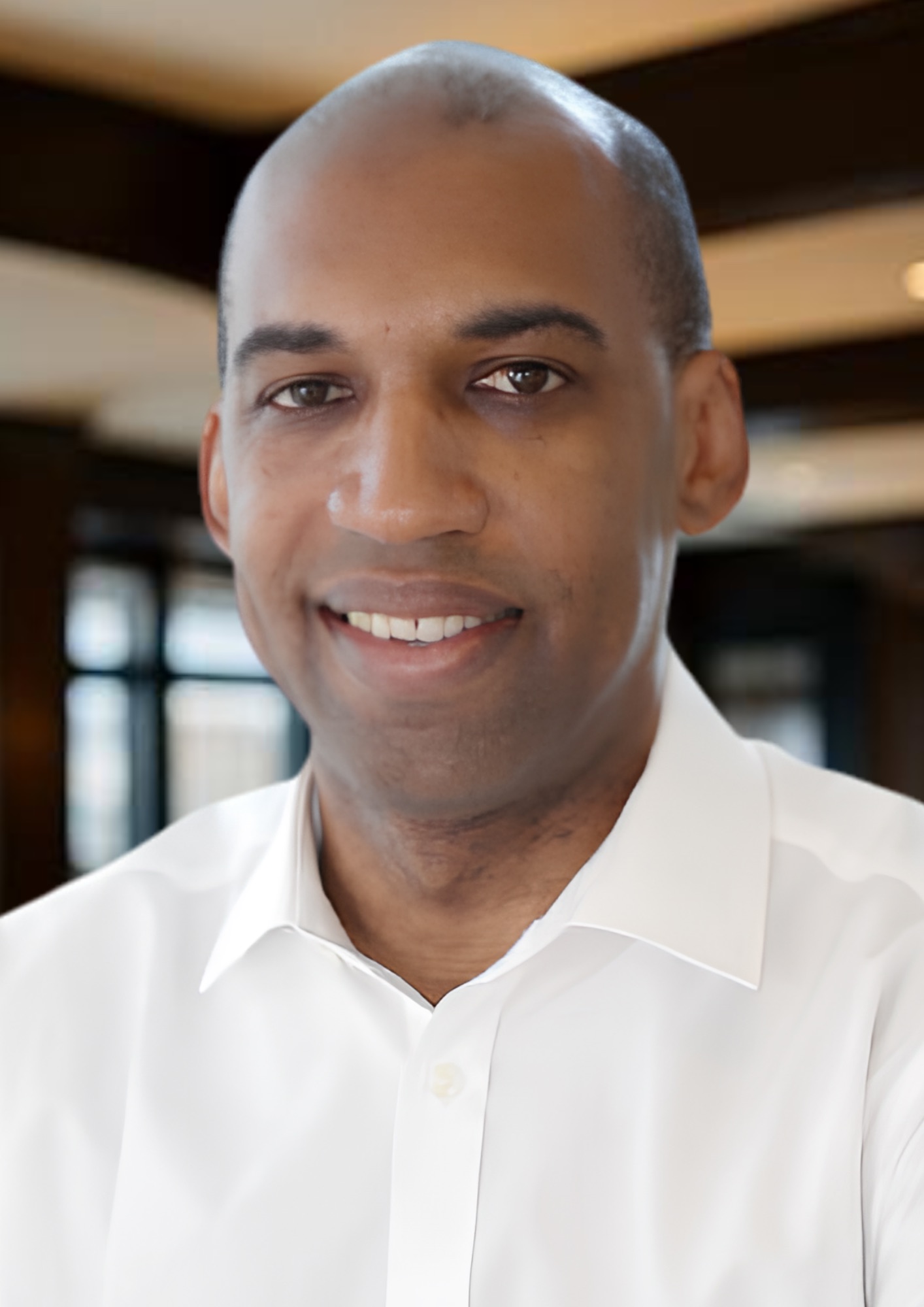 Ulric Adom · CFO, Aluminium & Lithium, Rio Tinto Ulric Adom is a senior finance executive within Rio Tinto, responsible for the financial leadership of its Aluminium & Lithium business. His remit sits within a capital-intensive global resources environment, where financial performance, commodity market conditions, operational efficiency and long-term investment decisions are closely interconnected. His position provides a perspective on financial management across large-scale industrial operations, including capital allocation, cost competitiveness, productivity, commodity exposure and the financial implications of the global energy transition.
Sondra Cortis · CFO Westpac Institutional Bank, Westpac Sondra Cortis is the Chief Financial Officer of Westpac Institutional Bank, bringing more than 30 years of experience across banking and financial services in Australia and the Asia Pacific region. A qualified Chartered Accountant and Graduate of the Australian Institute of Company Directors, she has built extensive experience across financial leadership, strategic planning and organisational transformation. Before becoming CFO of Westpac Institutional Bank, Sondra held several senior finance positions within Westpac, including Head of Finance for Institutional Banking, Deputy CFO of Westpac International and CFO of Westpac Pacific. She has significant experience advising senior executives on business performance, mergers and acquisitions, major change programs and financial strategy. She is also Chair of Good Return and a member of Chief Executive Women.
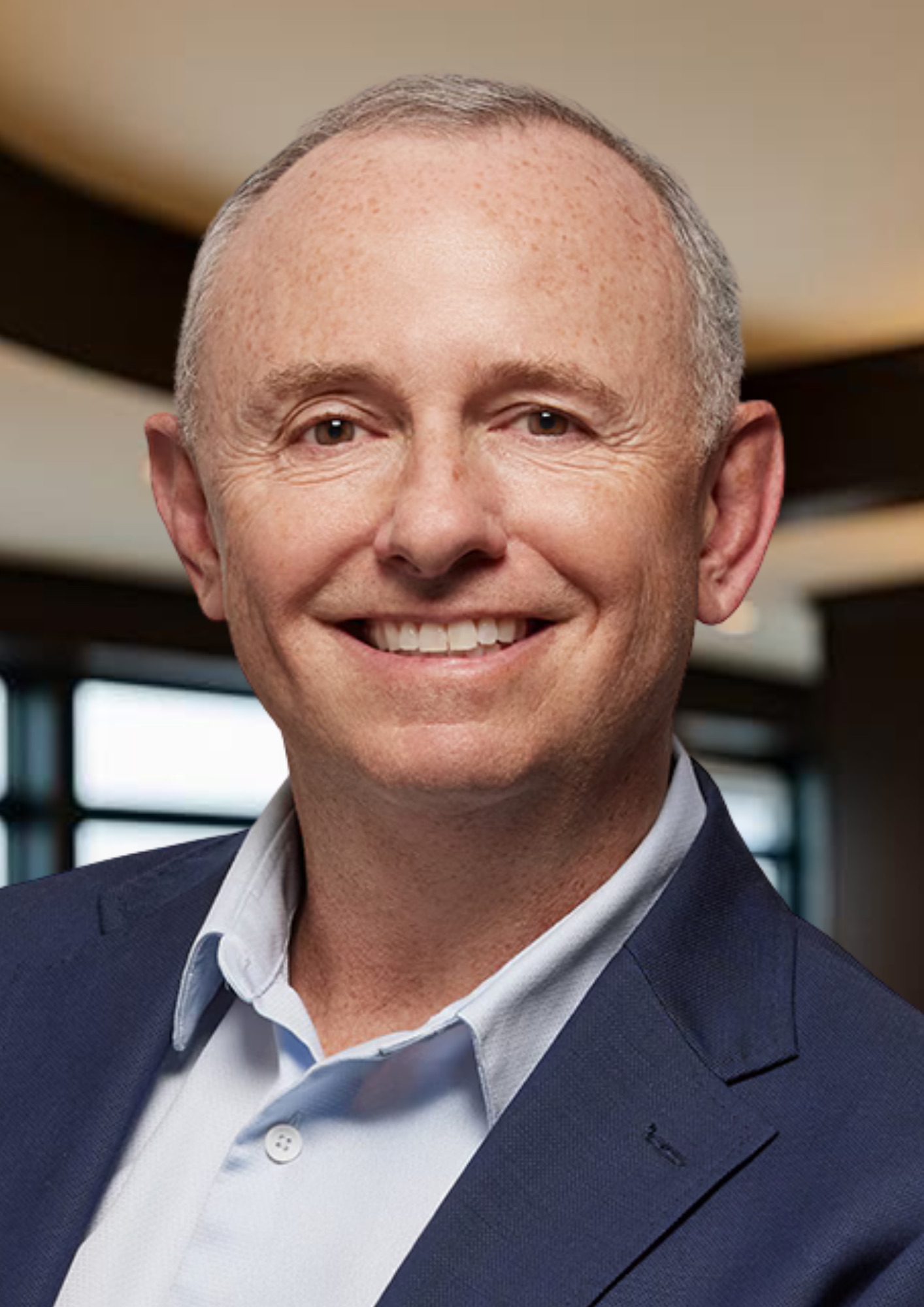 Race Strauss · CFO, Virgin Australia Race Strauss is the Chief Financial Officer of Virgin Australia, bringing more than 30 years of Australian and international financial leadership experience across the aviation and consumer sectors. He was appointed CFO in March 2023 and is responsible for the airline's financial strategy, performance and commercial discipline. Before joining Virgin Australia, Race was CFO of The a2 Milk Company and held several senior finance positions within Qantas Group, including CFO of Qantas Airlines and Group CFO of Jetstar Airways. Earlier in his career, he held international finance leadership roles at Unilever, including Vice President of Finance for Southeast Asia and Australasia. His background provides a strong understanding of aviation economics, operational efficiency, cost management and financial transformation.
Martin Whelan · CFO, Personal Bank, NAB Martin Whelan is the Chief Financial Officer of NAB's Personal Bank, bringing more than 15 years of experience across finance, strategy, investments and business transformation. He is responsible for the financial leadership of NAB's consumer banking division, supporting commercial performance, investment decisions and strategic execution. Throughout his career at NAB, Martin has held senior leadership positions across Technology & Operations, Group Strategy & Development, treasury, financial planning and analytics, and financial control. His experience provides a valuable perspective on the relationship between financial performance, technology investment, customer experience and enterprise transformation.
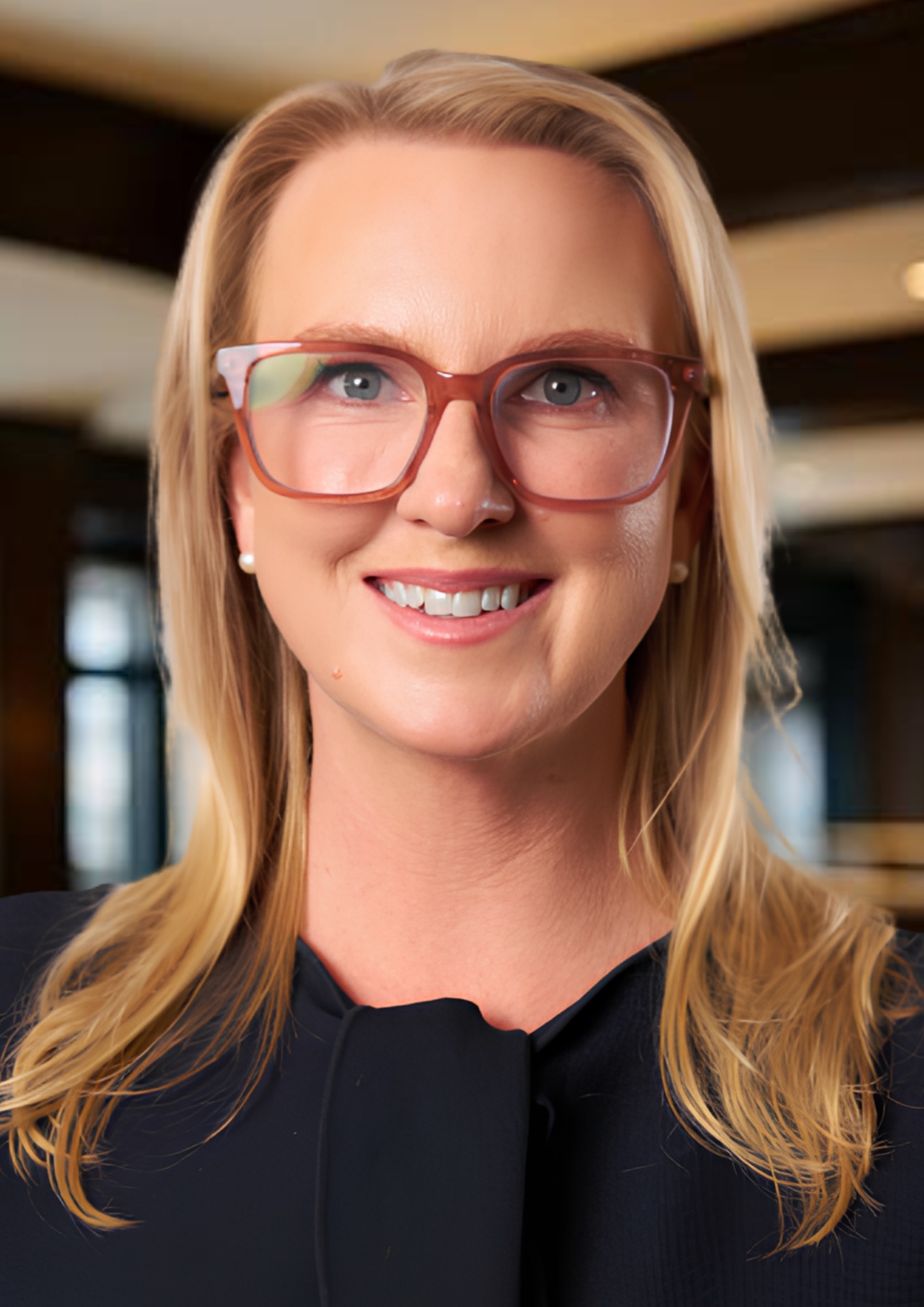 Racheal Kellaway · Group CFO, Group Strategy and Group Transformation, Bank of Queensland Racheal Kellaway is the Group Chief Financial Officer of Bank of Queensland, having been appointed to the position in July 2022. She oversees the group's financial management and plays a central role in shaping its financial strategy, transformation agenda and long-term business performance. Prior to becoming Group CFO, Racheal served as Deputy CFO and held several senior finance leadership positions within BOQ. Her broader responsibilities include Group Finance, Treasury, Strategy, Transformation and Corporate Affairs, giving her a particularly strong perspective on the financial implications of organisational change, business simplification and banking transformation.
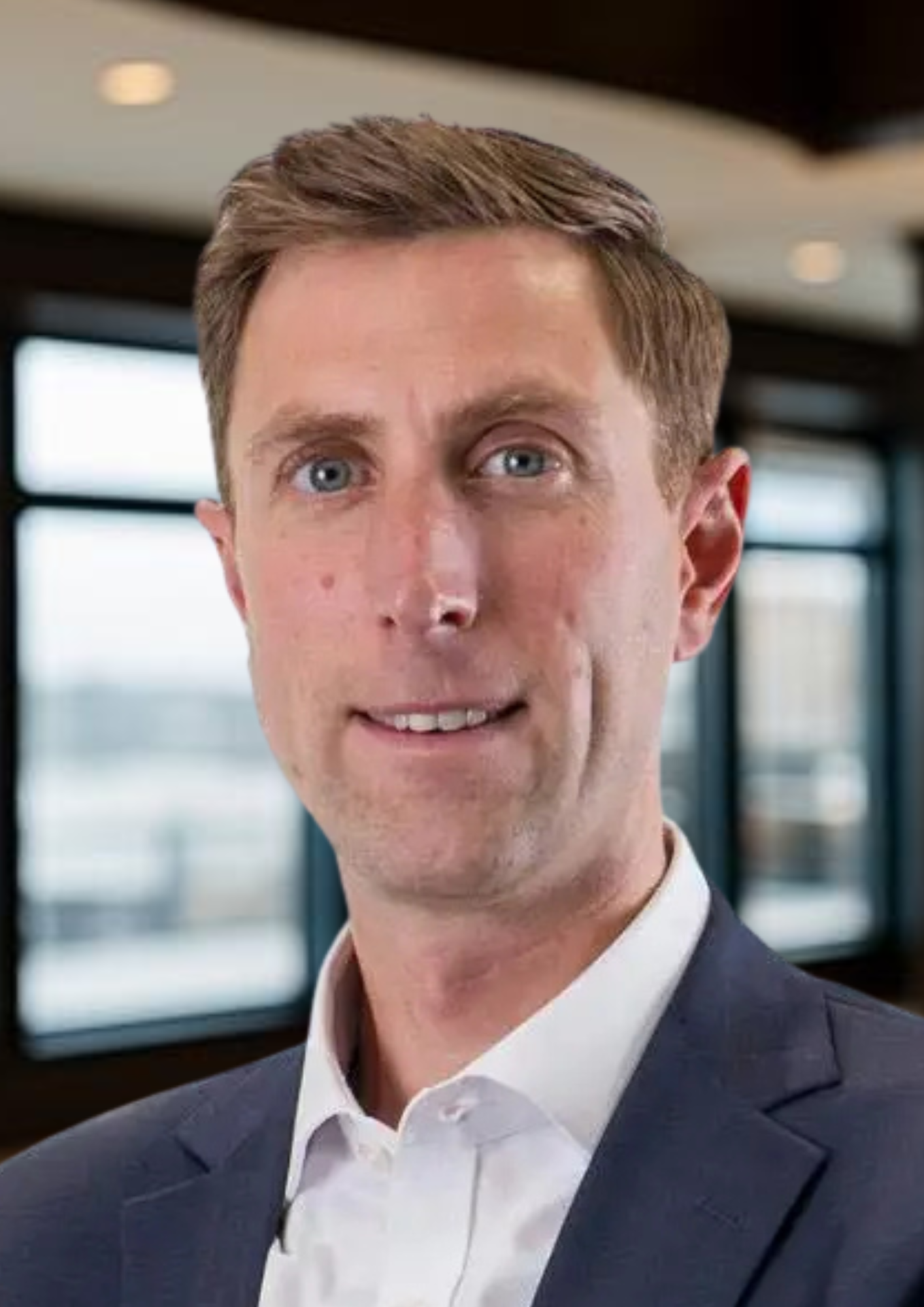 Nick Fine · CFO, Workwear Group, Wesfarmers Nick Fine is the Chief Financial Officer of Workwear Group, bringing approximately 20 years of experience across investment banking, accounting and corporate finance. He has previously held senior positions within Wesfarmers Business Development and Rothschild & Co, developing expertise in financial strategy, investment analysis and commercial decision-making. At Workwear Group, Nick focuses on supporting strategic growth and strengthening financial performance across the business. His background in investment banking and corporate development provides a strong foundation in capital allocation, commercial strategy and evaluating opportunities for sustainable business growth.
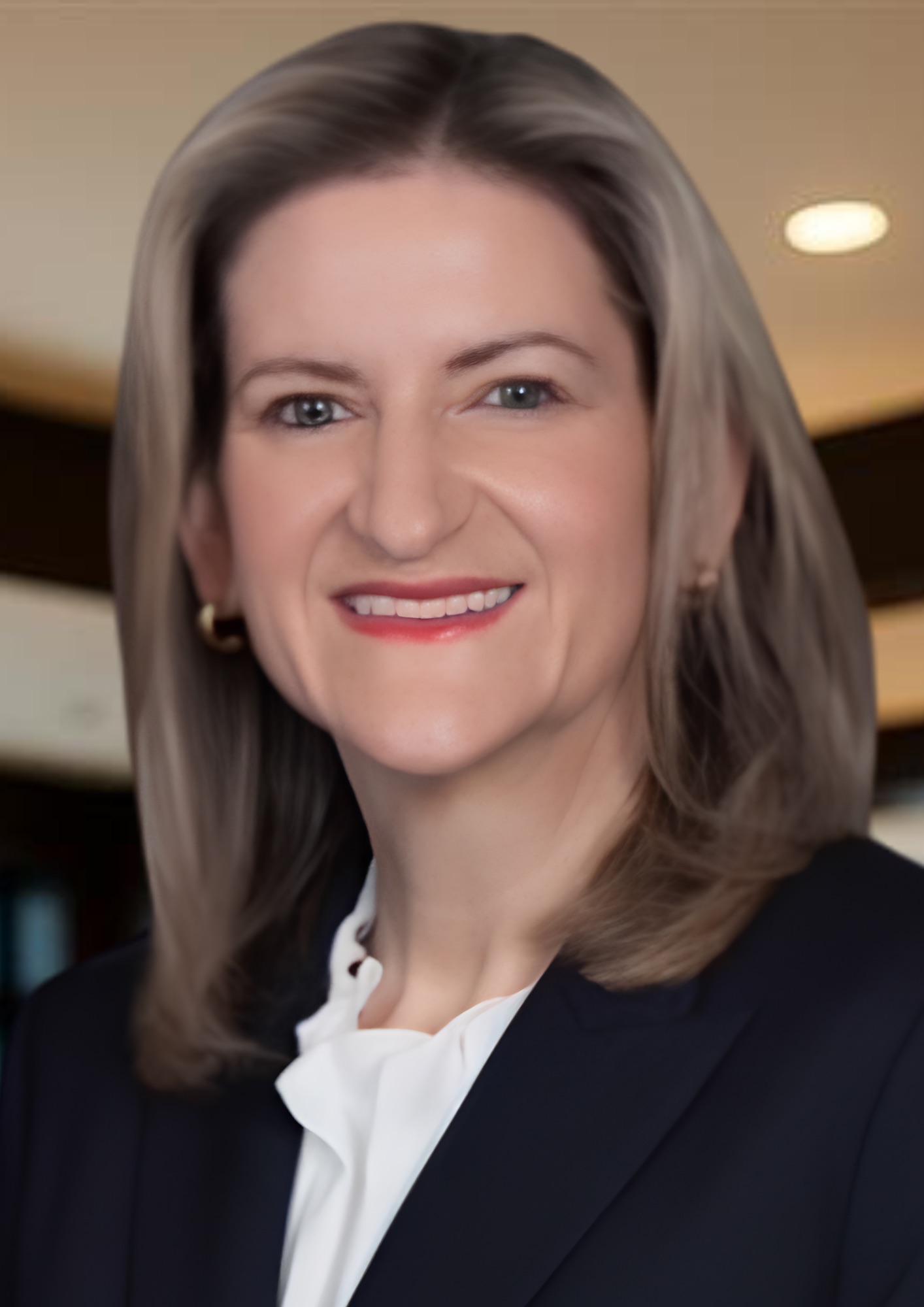 Alexandra Bell · CFO, Challenger Alexandra (Alex) Bell is the Chief Financial Officer of Challenger, a leading Australian investment management and retirement income business. Appointed CFO in December 2022, she is responsible for the organisation's financial leadership, supporting business performance, capital management and strategic decision-making across its financial services operations. Before becoming CFO, Alex held several senior finance positions at Challenger, including Group Deputy CFO and CFO of Funds Management. Earlier in her career, she was a Partner in KPMG's CFO Advisory Practice and held positions at BT Financial Group. She brings considerable experience across life insurance, wealth management, financial services and corporate finance.
Brian Duffy · Principal, CFO, Vanguard Brian Duffy is the Chief Financial Officer of Vanguard Australia, where he works alongside the Australian Executive Team to deliver investment solutions for individual investors, financial advisers and institutional clients. His role encompasses financial leadership, capital allocation and supporting the organisation's commercial and strategic priorities. Prior to his Australian appointment, Brian led Vanguard's enterprise finance team, overseeing capital generation and allocation across the global organisation. He also managed the US fund pricing team, responsible for expense ratios across more than 400 ETFs and mutual funds. Earlier in his career, he held operational and digital leadership roles within Vanguard and worked at Deloitte Consulting, advising financial services organisations on growth, restructuring and divestitures. He holds an MBA from the Wharton School and is a CFA charterholder.
 Emma Costello · CFO, Reserve Bank of Australia Emma Costello is listed as the Chief Financial Officer of the Reserve Bank of Australia, where the finance function operates within one of Australia's most significant public financial institutions. The CFO role encompasses financial stewardship, budgeting, financial reporting, governance and supporting the effective allocation of organisational resources.
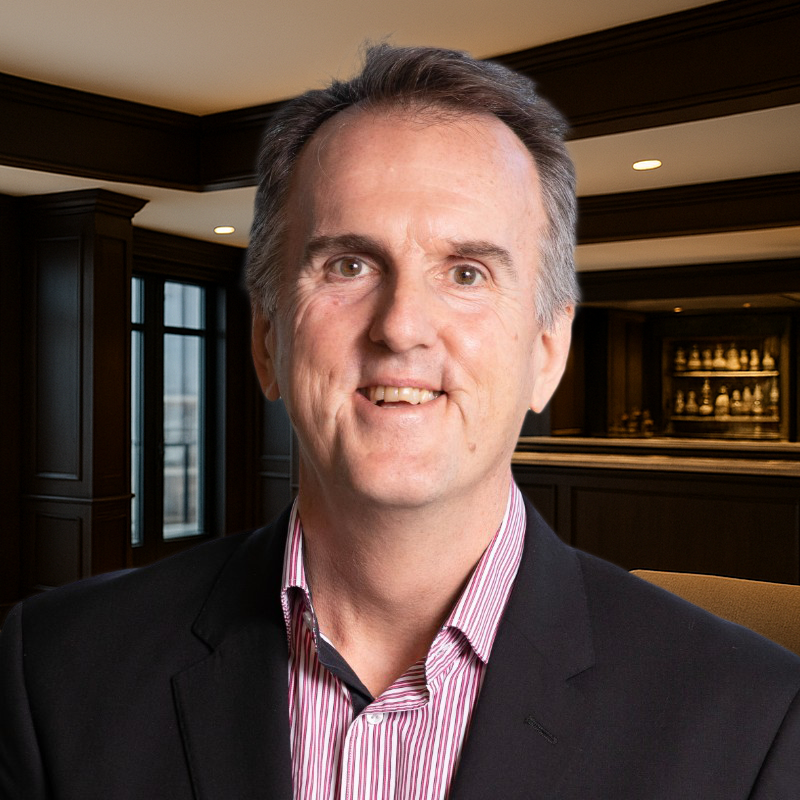 Craig Roberts · Group CFO, Australia Post Craig Roberts is the Group Chief Financial Officer of Australia Post, having joined the organisation in February 2026. He brings more than 30 years of international experience across finance, operations, logistics and large-scale business transformation. Before joining Australia Post, Craig spent almost three decades with DHL, holding senior executive positions including CEO and CFO across several international markets. He most recently served as CEO of ASMO, a joint venture between DHL and Saudi Aramco, and previously held CFO positions across DHL Supply Chain Australia and New Zealand and the wider Asia Pacific region. His experience spans commercial strategy, profitability improvement, operational excellence, digitalisation and managing complex global supply chains.
Susan Turner · CFO, AIA Australia Susan Turner is the Chief Financial Officer of AIA Australia, where she leads the organisation's Finance & Actuarial function. She brings more than 20 years of senior financial leadership experience across banking, wealth management, investment management and insurance. Susan began her career at Zurich before progressing into senior CFO and COO positions at major Australian financial institutions, including Commonwealth Bank and Westpac. Her experience working across complex and evolving financial services organisations gives her a strong understanding of financial governance, risk management, organisational transformation and strategic financial leadership.
Chris Thompson · CFO, THE ICONIC Chris Thompson is the Chief Financial Officer of THE ICONIC, one of Australia's leading online fashion and lifestyle retailers. He plays an important role in aligning financial strategy with the company's commercial objectives, supporting data-driven decision-making and balancing investment in growth with operational efficiency. Prior to joining THE ICONIC, Chris held several senior finance positions at Coca-Cola Amatil, where he developed experience across financial control, commercial business partnering and operational performance. His background in large-scale consumer businesses provides a valuable perspective on e-commerce economics, customer acquisition, profitability, digital investment and the financial challenges of operating in a highly competitive retail environment.
Lettina Evans · CFO, HSBC Australia Lettina Evans is the Chief Financial Officer of HSBC Australia, bringing extensive financial leadership experience within the banking and financial services sector. Her role encompasses financial performance, financial governance, capital management and supporting the strategic priorities of HSBC's Australian operations. As part of a globally integrated banking organisation, her position provides exposure to the complexities of managing financial performance across international markets, regulatory environments and institutional banking operations. Her perspective is particularly relevant to financial discipline, cross-border operations, risk management and the evolving demands placed on banking CFOs.
Ray Lui · CFO, Flybuys Ray Lui is the Chief Financial Officer of Flybuys, Australia's leading loyalty and rewards program. He commenced in the role in February 2023, bringing experience across financial management, commercial strategy and business performance within the consumer and retail ecosystem. A Chartered Accountant with an MBA from INSEAD, Ray has a background in senior finance leadership and brings a commercial perspective to the financial management of a data-driven consumer business. His role sits at the intersection of customer engagement, loyalty economics, partner relationships, data monetisation and sustainable commercial growth.
Nadine Lennie · CFO, Transgrid Nadine Lennie is the Chief Financial Officer of Transgrid, bringing more than 25 years of experience across financial leadership, investment management and financial advisory. She has extensive experience in infrastructure, funds management, IT and project finance, with a background spanning both Australian and international markets. Before joining Transgrid, Nadine was CFO of Atlas Arteria, a global toll road owner and operator. She previously served as CFO of Afterpay Touch Group, where she oversaw the financial aspects of the merger between Touchcorp and Afterpay, and held the CFO position at Australian Pacific Airports Corporation. Her experience provides strong insight into infrastructure investment, capital-intensive operations, financial risk and managing complex commercial transactions.
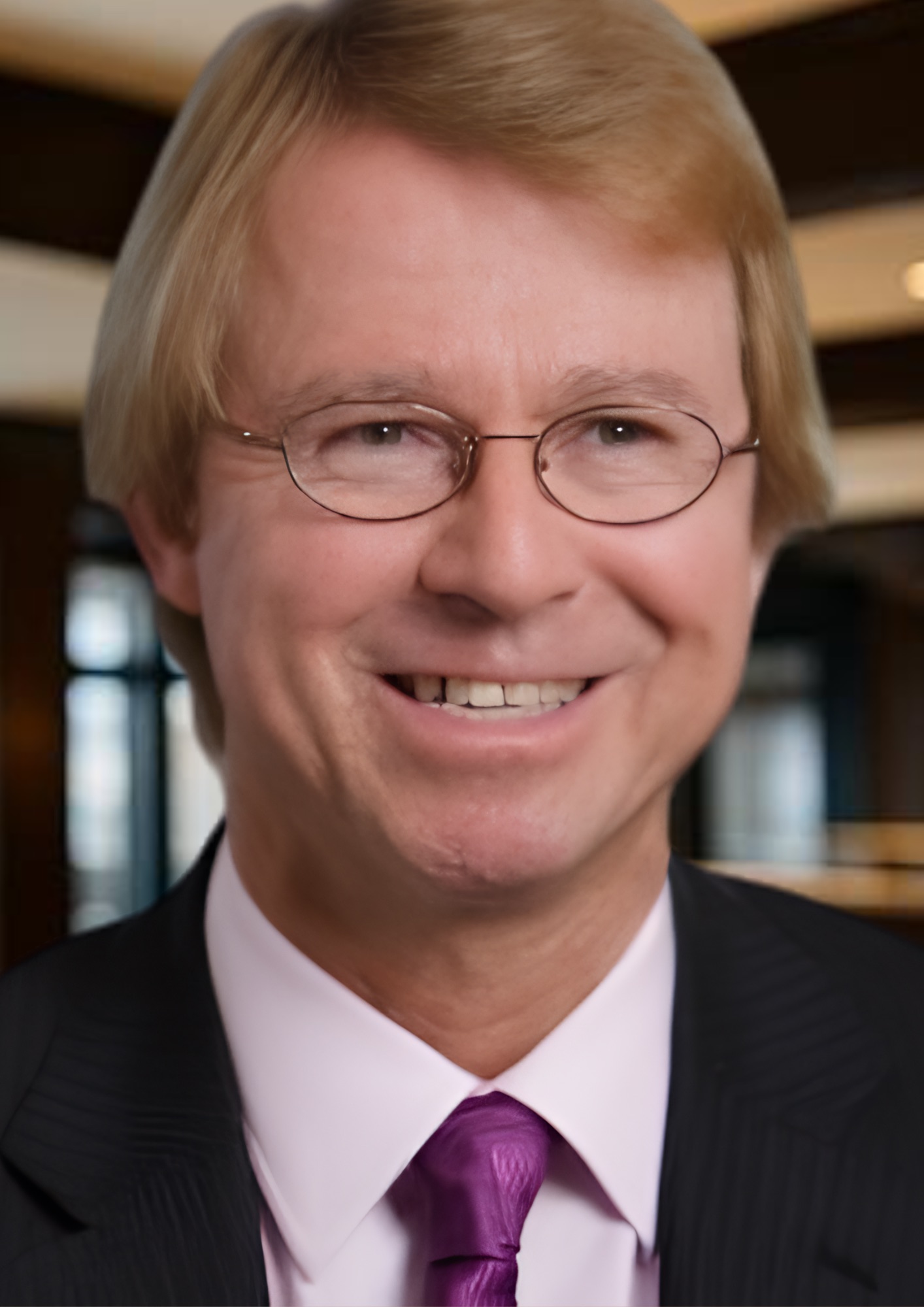 Shane Oliver · Head of Investment Strategy and Chief Economist, AMP Dr Shane Oliver is AMP's Head of Investment Strategy and Chief Economist, with more than 40 years of experience in economic research and financial markets. Having joined AMP in 1984 and become Chief Economist in 1994, he is one of Australia's most established financial market commentators. Shane leads economic and investment analysis, examining macroeconomic conditions, interest rates, inflation, financial markets and the implications of economic cycles for investors and businesses. He regularly provides commentary across Australian media and industry forums, translating complex economic developments into practical insights. He holds a PhD in Economics from Macquarie University.
Brindha Pillay · CFO, DHL Supply Chain Australia and New Zealand Brindha Pillay is the Chief Financial Officer of DHL Supply Chain Australia and New Zealand, overseeing the financial management of one of the region's major contract logistics operations. She brings more than 15 years of experience within DHL, having progressed through a range of senior finance and global leadership positions. Before becoming CFO for Australia and New Zealand in 2023, Brindha served as Senior Vice President and Global Head of Accounting and Process Digitalisation Finance. In that position, she played an important role in developing and implementing global finance strategy and modernising accounting processes. Her experience spans finance transformation, process automation, global financial operations and the commercial demands of large-scale supply chain businesses.
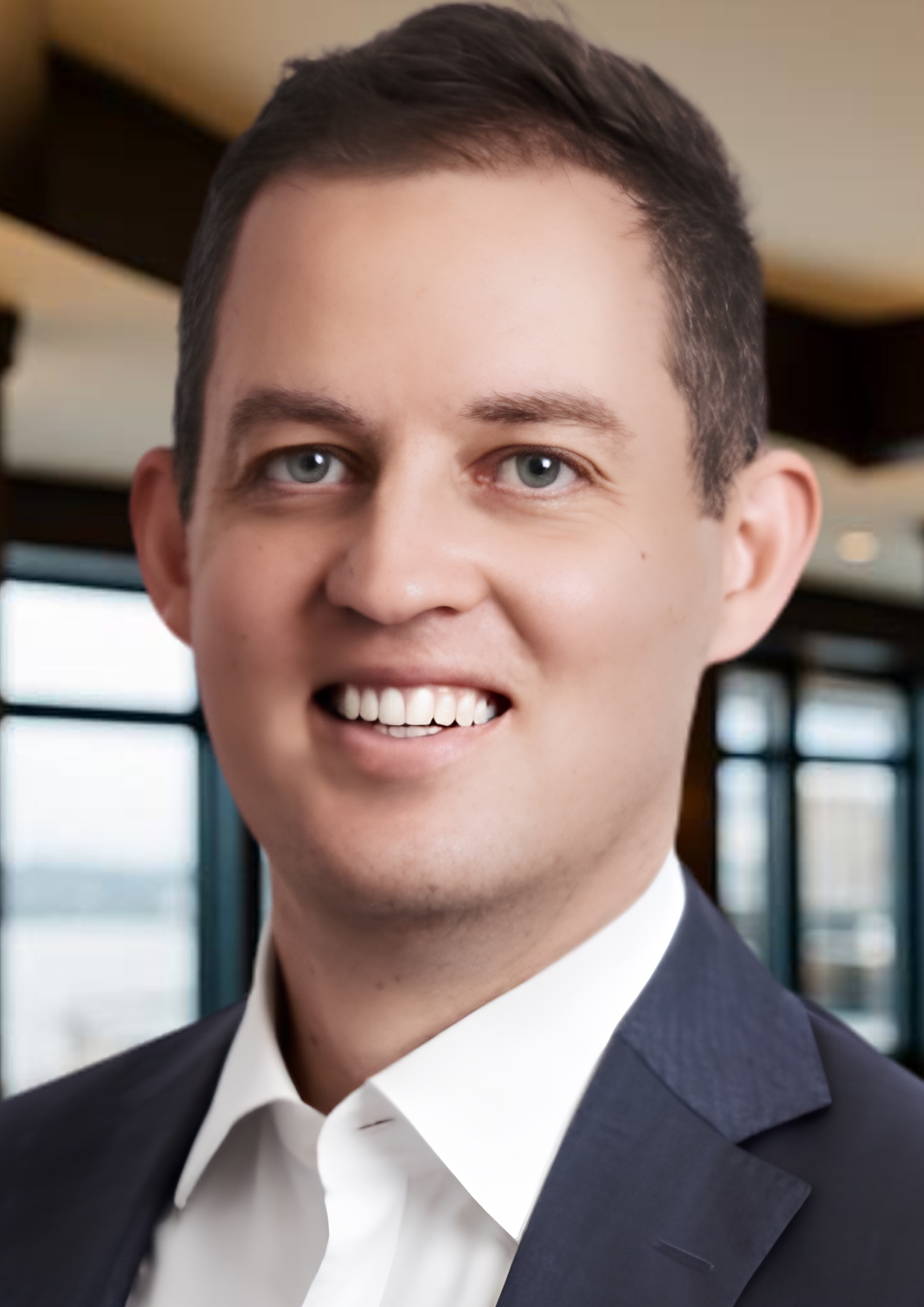 James St Clair · CFO, The Star James St Clair is a senior finance executive within The Star Entertainment Group, with experience across corporate finance, financial management and large-scale business operations. His role as CFO of The Star Sydney places him within a complex hospitality, gaming and entertainment environment, where financial performance, operational efficiency, regulatory requirements and business transformation are closely interconnected. Before joining The Star in 2025, James held senior finance positions at Lendlease, including General Manager Finance, Group. His background provides exposure to complex commercial environments, financial planning and major operational businesses.
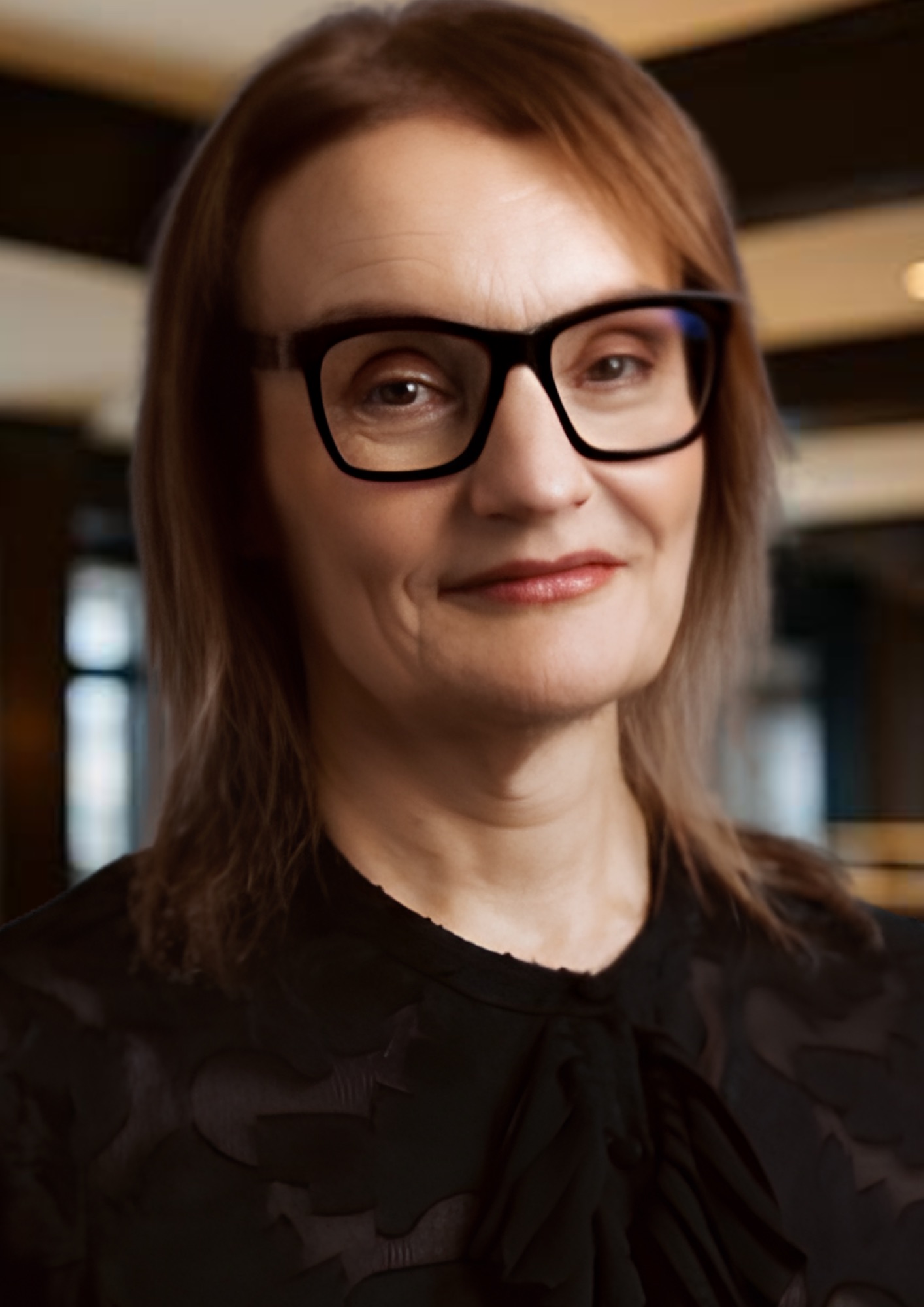 Kathy Karabatsas · Group CFO, MYER Kathy Karabatsas is the Group Chief Financial Officer of MYER, appointed to the position in March 2025 following the expansion of the business through its combination with Apparel Brands. She oversees the group's financial management, including accounting, reporting, commercial finance, planning, treasury, taxation, investor relations, procurement, compliance and internal audit. Her remit also includes supply chain responsibilities. Kathy brings extensive senior leadership experience across the retail and consumer goods industries. She previously served as Chief Financial Officer of David Jones and held the position of Finance Director at Lion Dairy & Drinks. Her experience spans retail transformation, consumer markets, supply chain operations and commercial performance, providing a strong perspective on the financial challenges facing large Australian retailers.
 Aaron Musca · CFO, Brickworks Building Products Aaron Musca is the Chief Financial Officer of Brickworks Building Products, bringing approximately 28 years of experience across finance, commercial leadership and large-scale industrial businesses. He joined Brickworks in July 2026, following a six-year period with BlueScope Steel, where he served as CFO Australia and General Manager Commercial. Before BlueScope, Aaron held senior finance positions at IKEA, including CFO of Customer Fulfilment, and developed experience in procurement and commercial finance at Coca-Cola Amatil. His background spans manufacturing, building materials, supply chains, procurement and operational finance, making him particularly relevant to discussions around industrial productivity, cost pressures, capital investment and margin management.
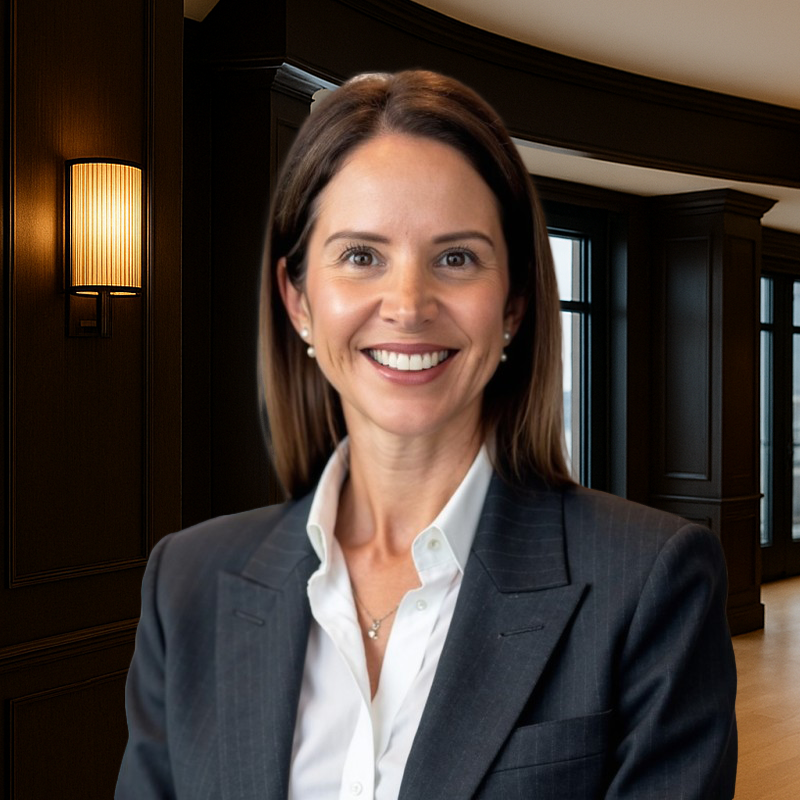 Stacey Sleeman · CFO, Essential Energy Stacey Sleeman is the Chief Financial Officer of Essential Energy, appointed to the position in December 2025. She brings more than 20 years of executive leadership experience across finance, strategy, transformation and commercial operations, particularly within the energy, industrial manufacturing and resources sectors. Before joining Essential Energy, Stacey served as CFO of Ampcontrol and Tomago Aluminium, where she led significant business transformation, energy strategy and decarbonisation initiatives. Earlier in her career, she held senior positions with global resources organisations including Anglo American and PanAust, alongside professional services experience at Deloitte and PwC. She is a Chartered Accountant and brings considerable experience in financial governance, industrial investment, energy transition and business transformation.
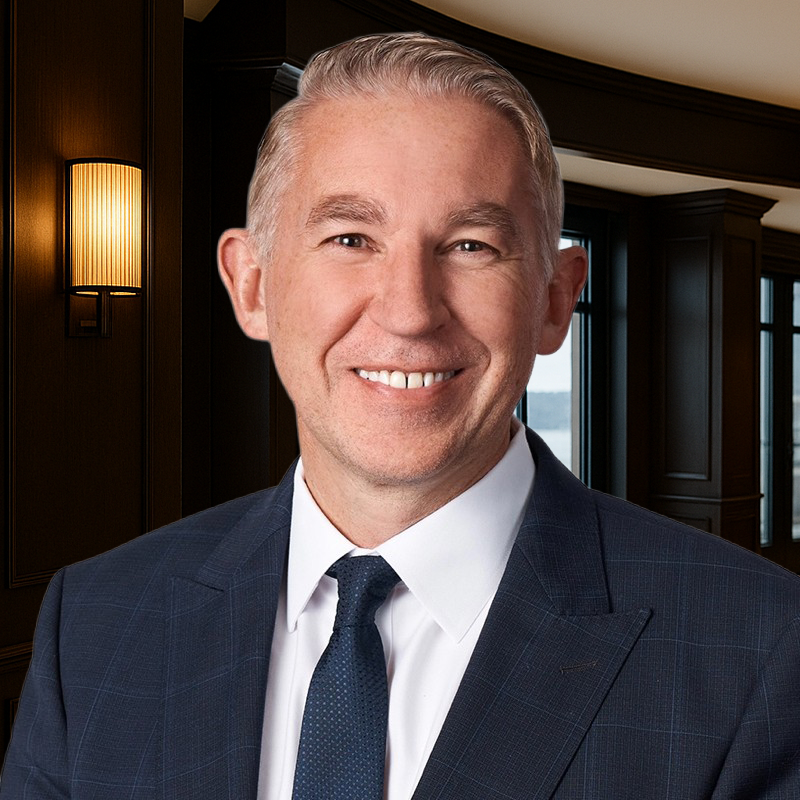 Rob Marcolina · Group CFO, Qantas Group Rob Marcolina is the Group Chief Financial Officer of Qantas, having commenced in the role in September 2023. He oversees Group Finance, Procurement, Treasury, Investor Relations, Fleet and Strategy, playing a central role in the airline's financial performance and long-term strategic direction. Rob joined Qantas in 2012 as Executive Manager of Group Strategy, subsequently expanding his responsibilities to include transformation, human resources and technology across the organisation. Before joining Qantas, he was a Partner at Bain & Company in Los Angeles and Sydney, advising businesses across multiple industries, particularly media, technology and telecommunications. His experience provides a strong perspective on enterprise transformation, commercial strategy, large-scale investment and managing financial performance within a complex global business.
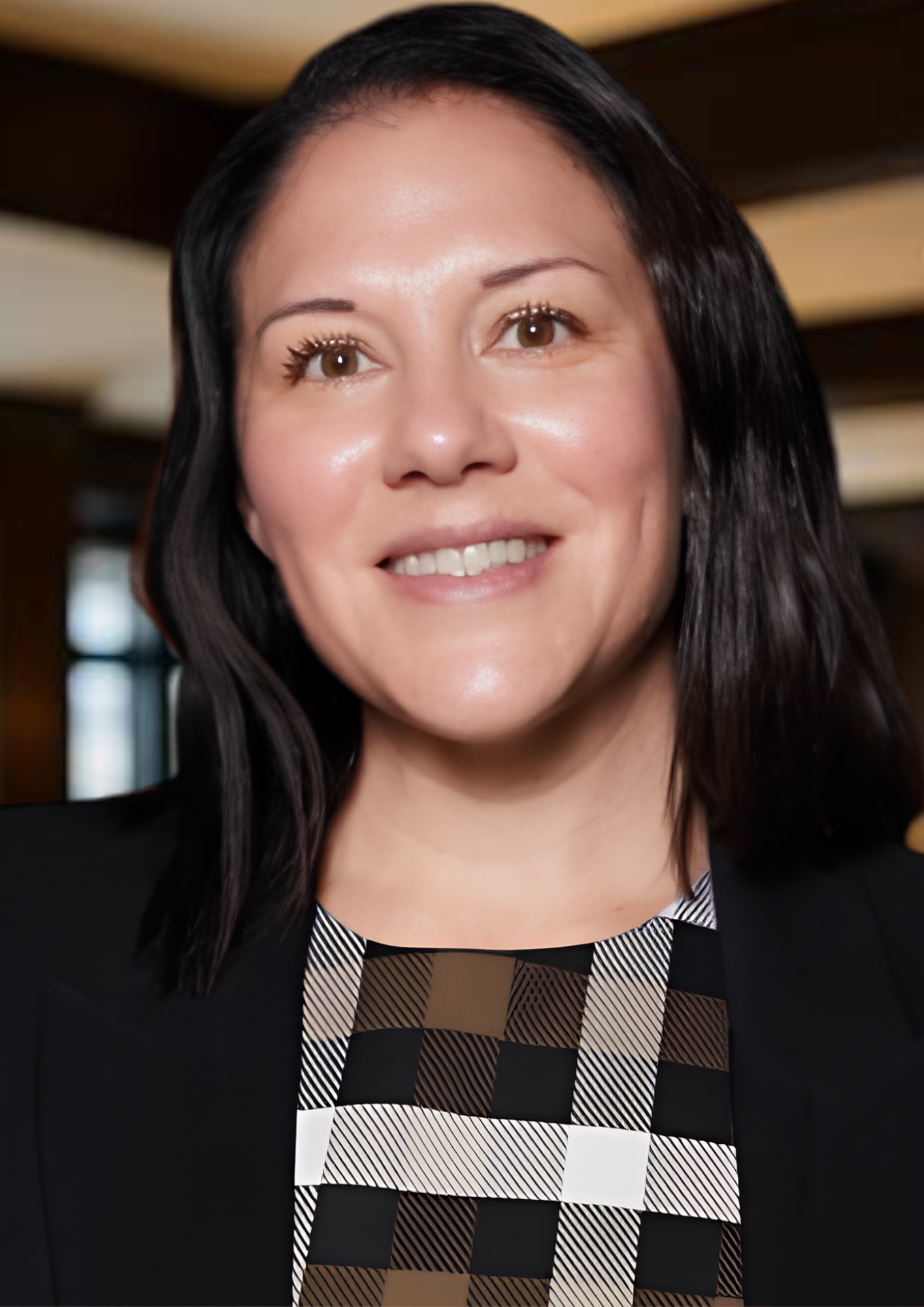 Natalee Rolfe · CFO, Treasury Collective, Treasury Wine Estates Natalee Rolfe is a senior finance executive at Treasury Wine Estates, with experience across financial leadership, commercial strategy and international business operations. She has spent more than six years with Treasury Wine Estates, progressing into senior finance leadership roles supporting the company's global premium wine portfolio. Her expanded remit as CFO of Treasury Collective involves supporting the financial performance and growth of the premium wine business across Europe, Australia and New Zealand, Asia and the Americas. Her experience provides a perspective on international portfolio management, foreign exchange exposure, supply chain economics, premium brand investment and balancing global growth with commercial returns.
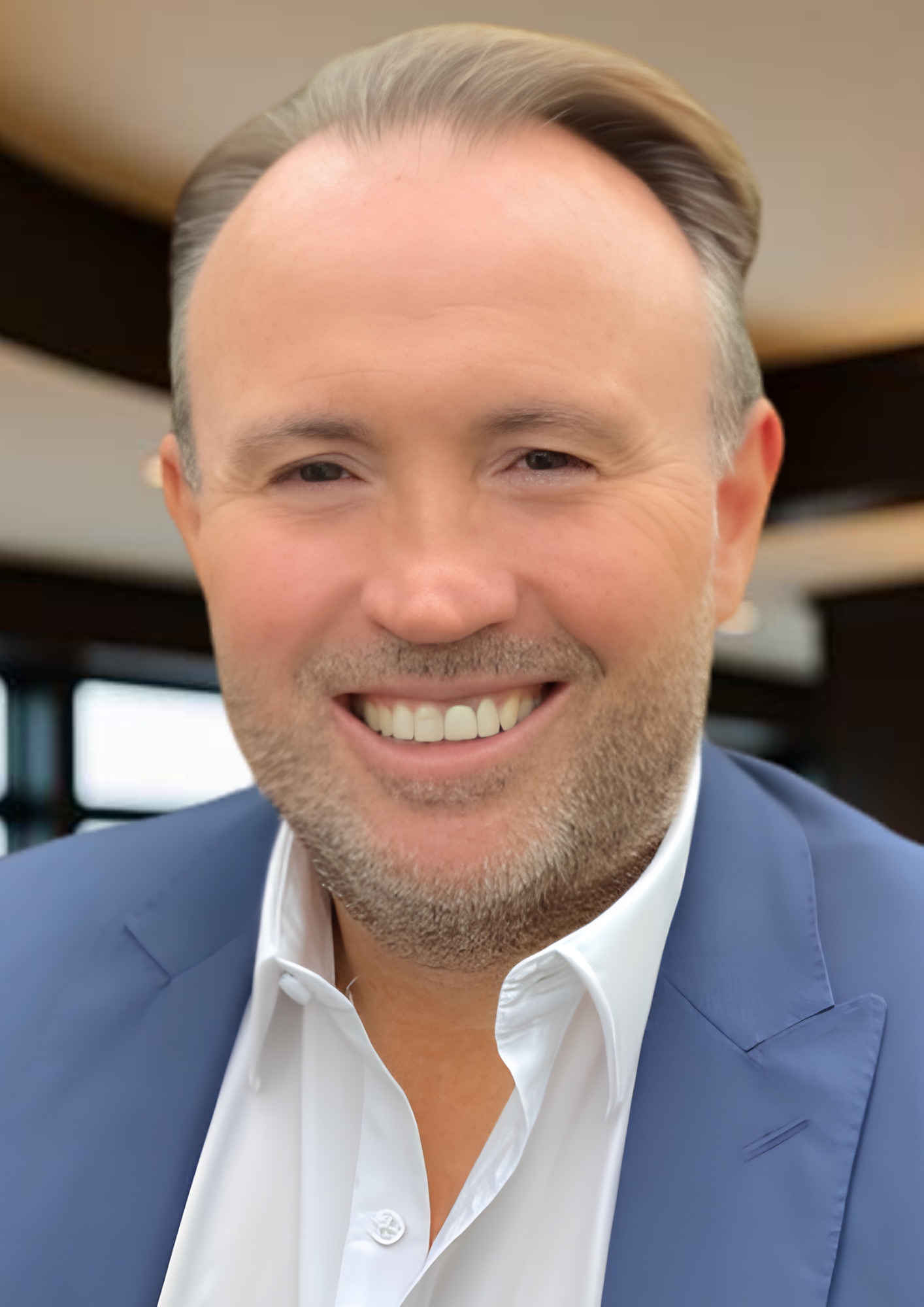 Brendan Hargreaves · CFO & Director, Officeworks Brendan Hargreaves is the Chief Financial Officer of Officeworks, having joined the business in 2022. He brings decades of commercial and financial leadership experience across major Australian and international organisations, including Qantas, Coles, Cleanaway, Village Roadshow and The Warehouse Group. At Officeworks, Brendan's responsibilities extend beyond traditional finance, encompassing strategy, property, legal and broader business functions. He plays an important role in supporting the company's commercial performance, strategic direction and operational priorities. He is also involved in the organisation's People & Planet Positive sustainability agenda and serves as a Director and mentor with the Financial Executives Institute.
Lisa Connelly · Chief Risk Officer, Global Risk & Assurance, REA Group Lisa Connelly is the Chief Risk Officer of Global Risk & Assurance at REA Group, where she is responsible for providing strategic leadership across the organisation's risk and assurance functions. Her role involves supporting enterprise-wide risk management, governance, regulatory compliance and organisational resilience. Operating within a major digital property and technology business, Lisa's perspective is particularly relevant to the evolving relationship between business risk, technology, cyber security, data governance and operational continuity. Her position provides insight into how risk leaders work with executive teams and boards to manage uncertainty while supporting innovation and commercial growth.
Stephen Cowan · Chief Operations Officer, Coates Stephen Cowan is the Chief Operations Officer of Coates, Australia's leading equipment hire business. He joined the organisation in October 2021 and is responsible for several critical operational functions, including transport, strategy, strategic projects, maintenance, operational excellence and customer experience. Before joining Coates, Stephen held senior executive and operational leadership positions across several major Australian and international organisations, including Pacific National, UGL, Goodman Fielder and PepsiCo. His experience spans services, logistics and manufacturing, with a strong track record of leading business performance improvements and operational transformation. He holds a Bachelor of Mechanical Engineering from the University of Technology Sydney and is a member of the Australian Institute of Company Directors.
More events from this host
- CFO Day | Sydney March 2027, Sydney
- CFO Day Sydney March 2027, Sydney
- CFO Day | Melbourne November 2027, Southbank
- CFO Day | Melbourne October 2026, Southbank
- Securing Agentic AI November 2026, The Rocks
- Tax in the AI Era November 2026, Sydney
- Marketing That Moves Pipeline in 2027 November 2026